 from $112Our pick
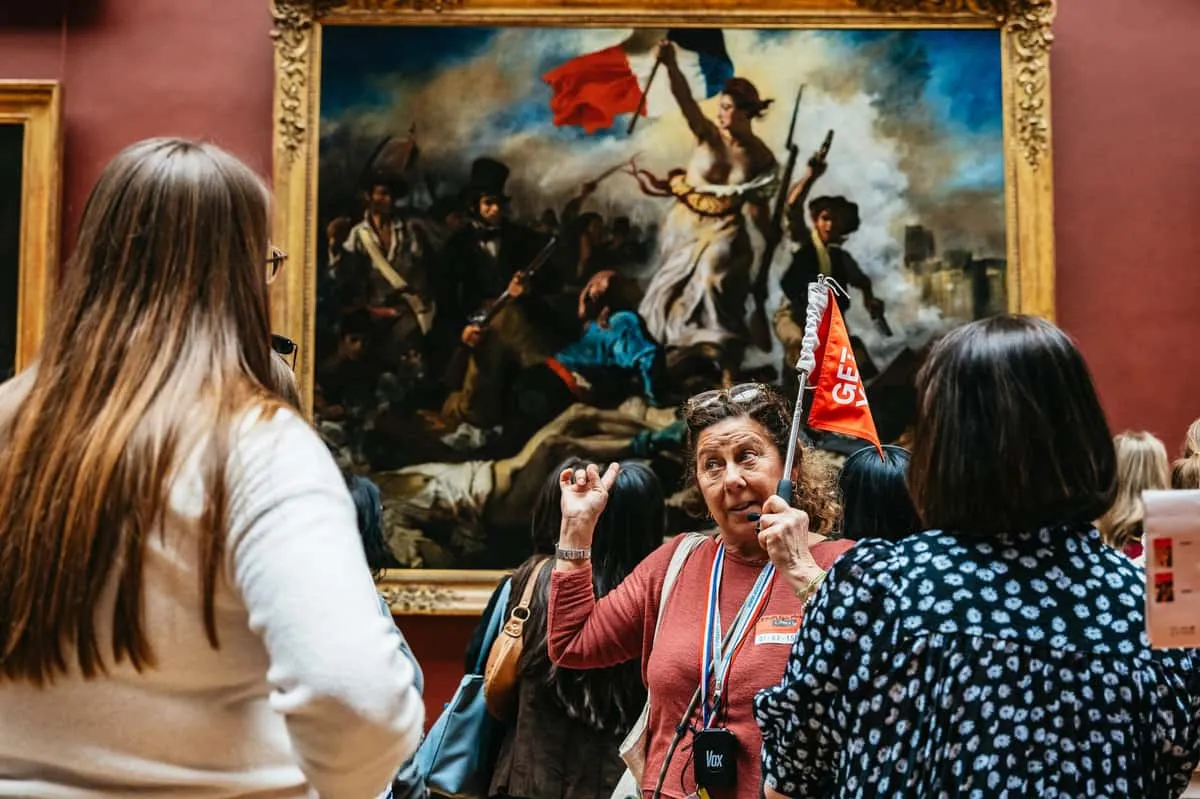
 Louvre: Mona Lisa & Iconic Masterpieces Tour
- Reserved-access timed entry
- 2-hour expert-guided route
- Mona Lisa and headline masterpieces
From the Mona Lisa to Monet's Water Lilies, discover the essential museums in Paris grouped the way you would actually visit them. Compare hours, ticket prices and skip-the-line tours, and book with free cancellation.
Paris has more world-class museums than you could see in a month, and treating them as one long list is the fastest way to waste a trip. This guide sorts the best museums in Paris into seven themes, so you can pick the ones that match your day. Each section covers where the museum sits and which metro stop serves it, when it is open, what a ticket costs, what you will actually see inside, and the practical tips that make the visit smoother, followed by the tickets and guided tours worth booking ahead.
Hours, prices and closing days on this page were last checked in July 2026, but Paris museums shift schedules for exhibitions and holidays, so confirm on the official site before a special trip. One quirk to remember from the start: most national museums here close on either Monday or Tuesday, not both, so there is always something open.
The Louvre — the world's most visited museum, home to the Mona Lisa, the Venus de Milo and eight centuries of art. If you see one, see this.
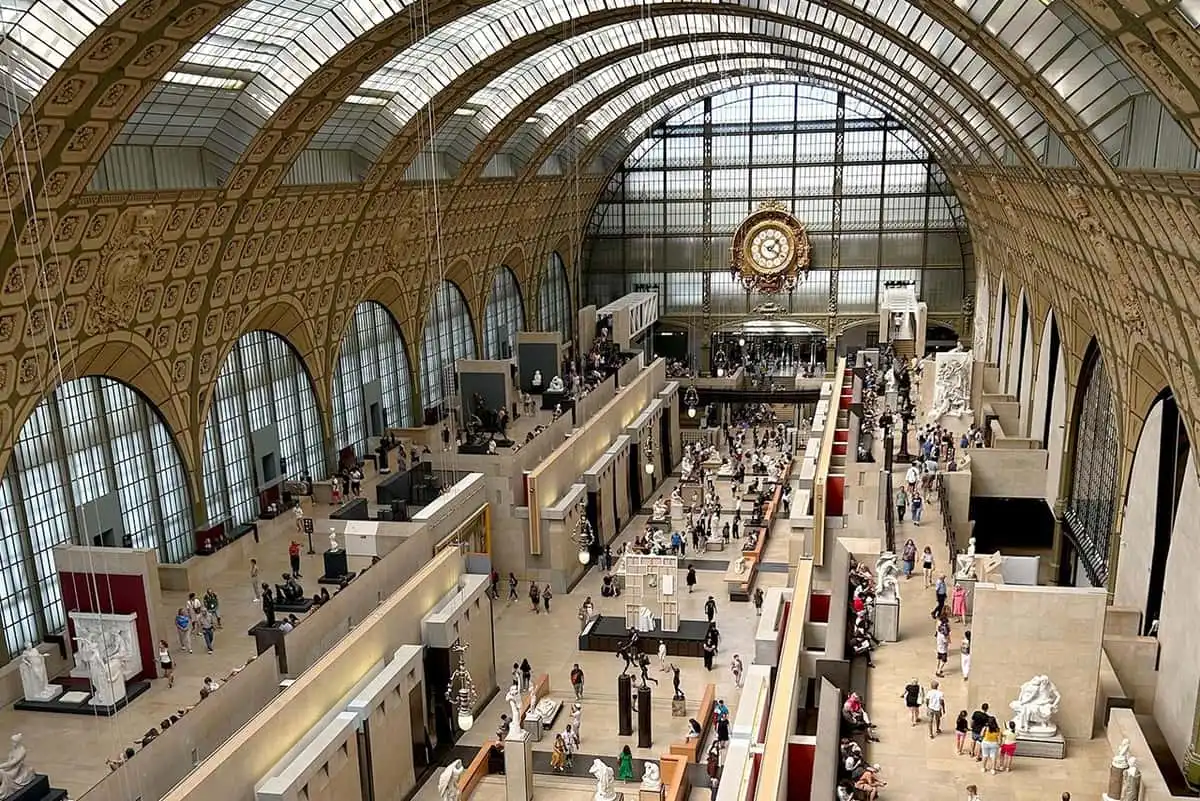
Musée d'Orsay — the Impressionists in a beautiful old railway station, smaller and less overwhelming than the Louvre.
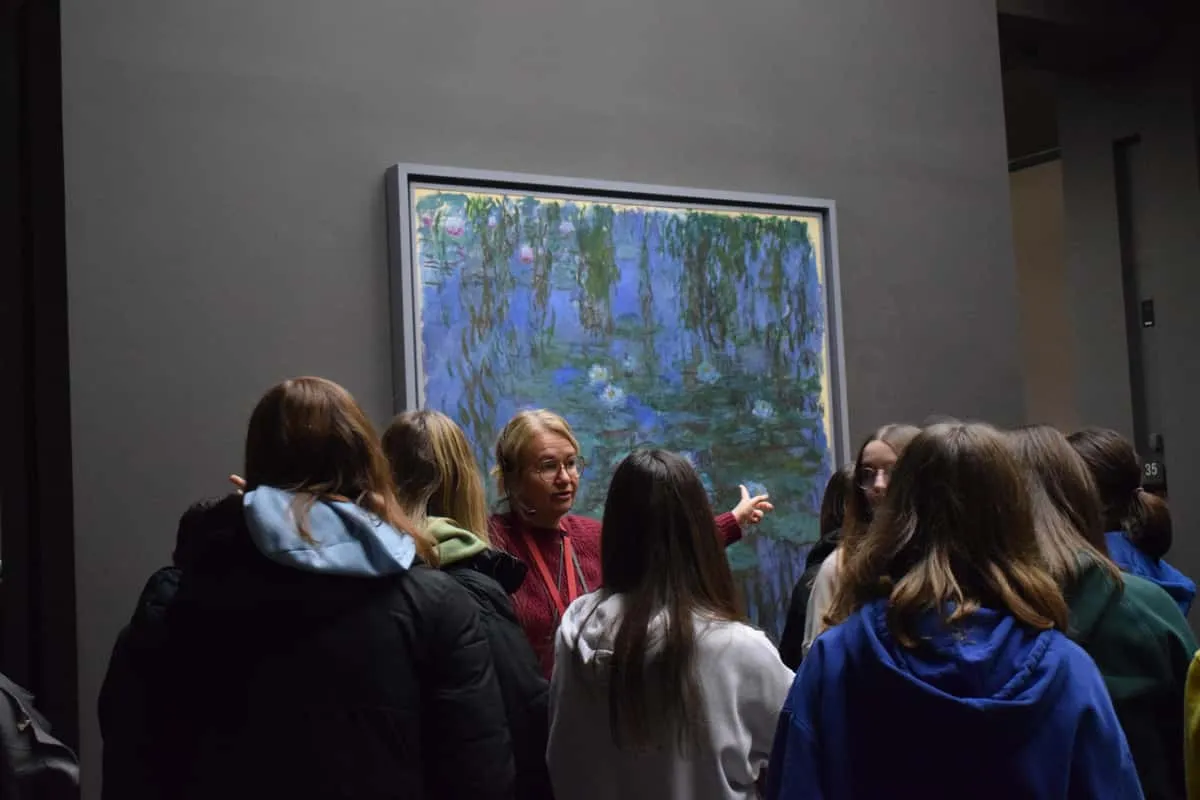
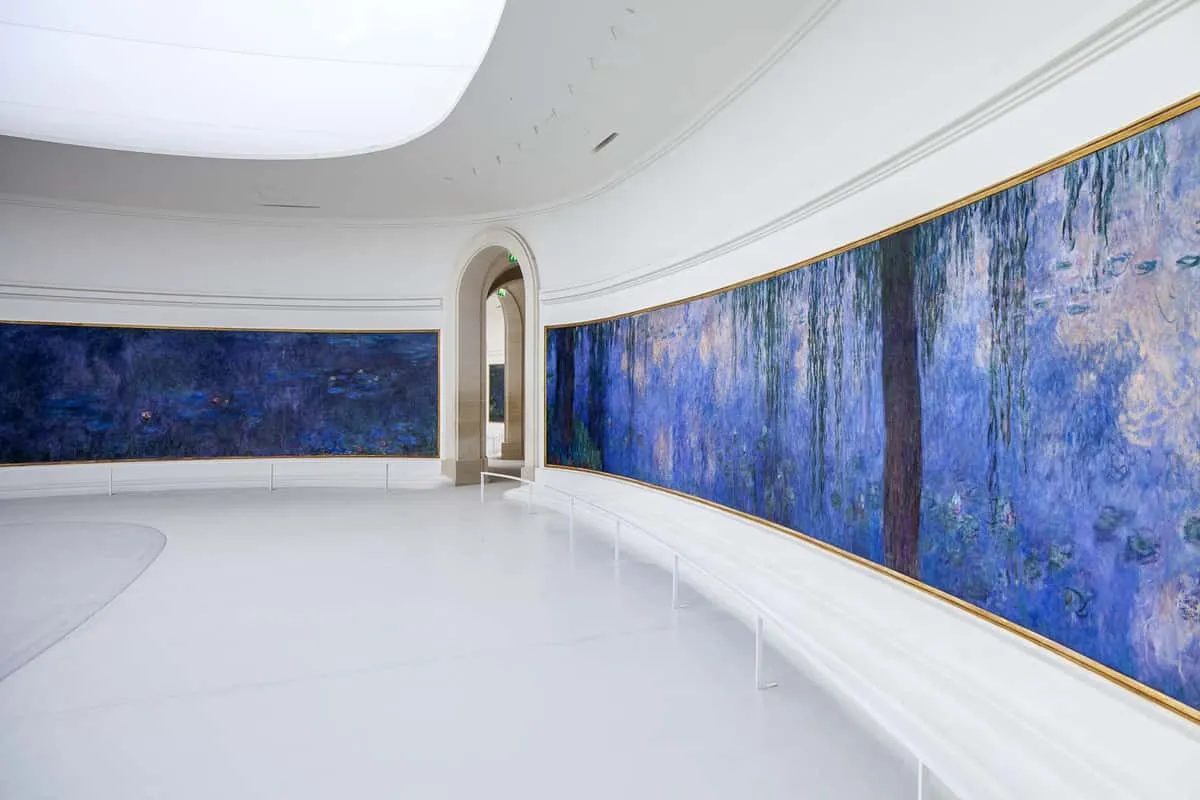
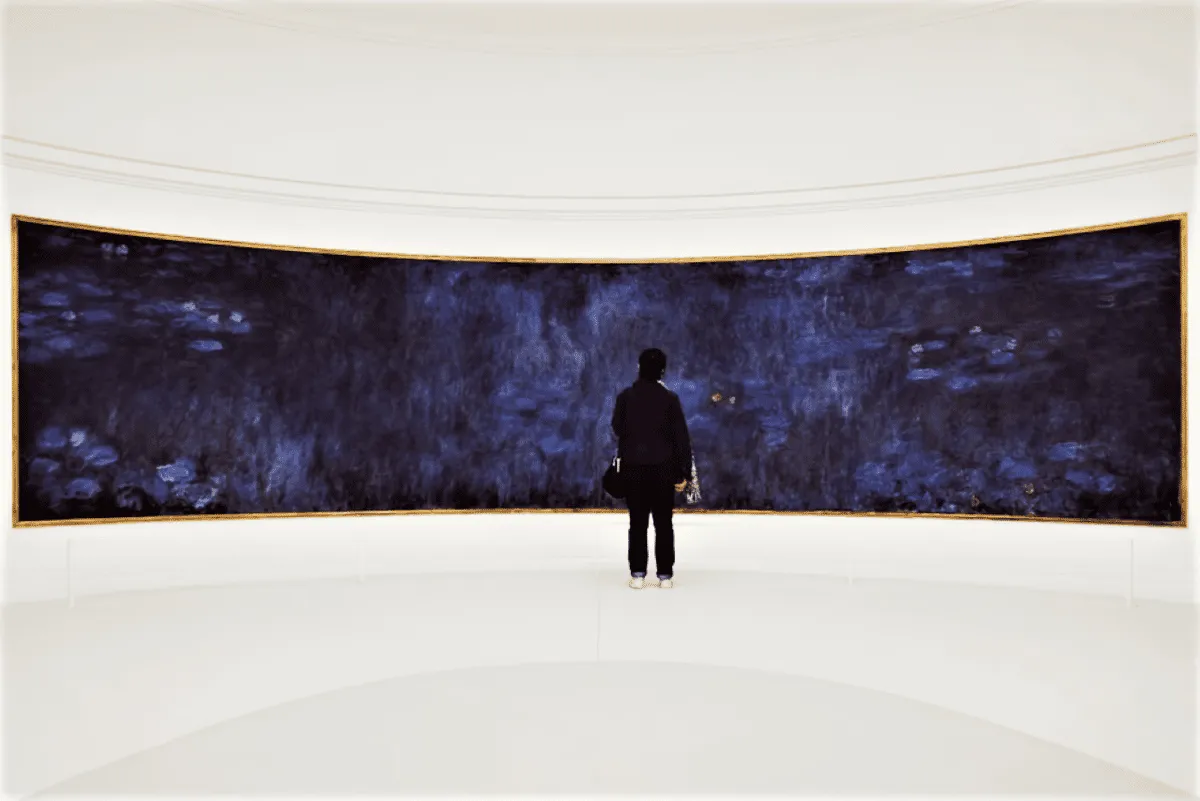
Musée de l'Orangerie — Monet's eight Water Lilies panels wrap two oval rooms; pair it with the Orsay across the river.
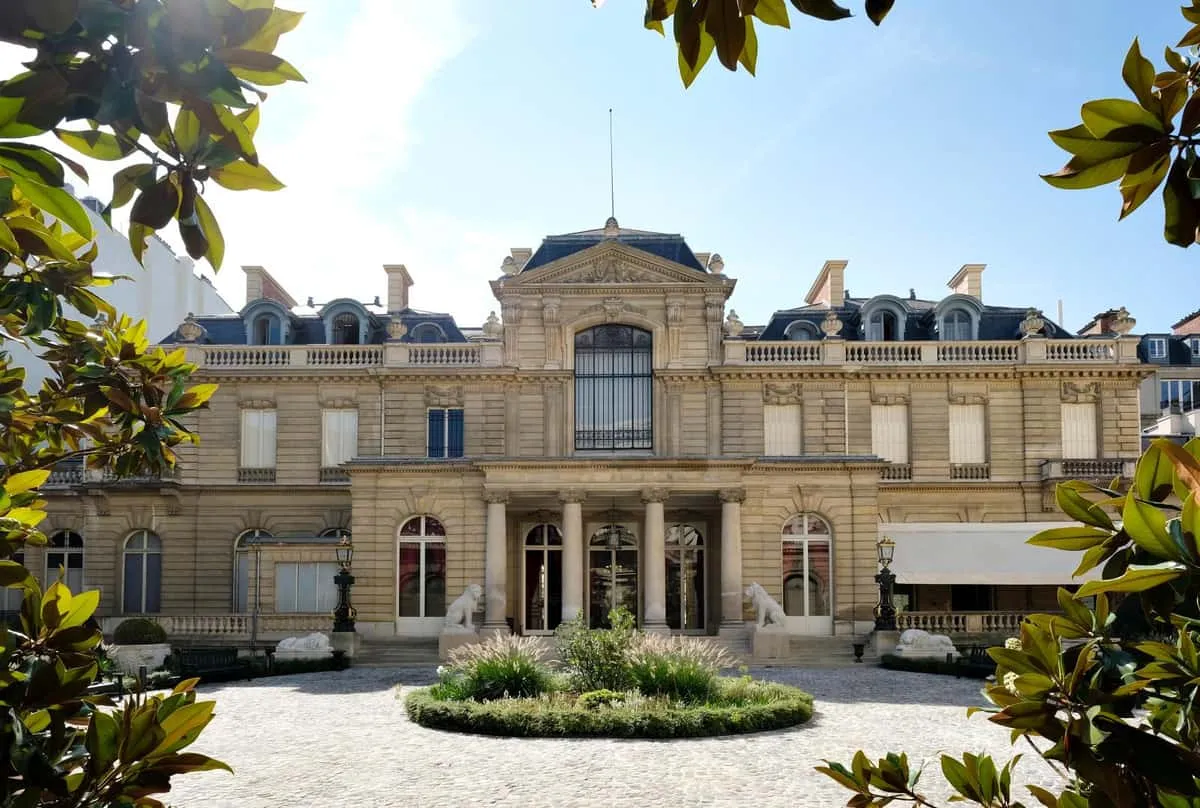
Musée Jacquemart-André — a gilded Haussmann mansion hung with Botticelli and Rembrandt, with the loveliest tea salon in Paris.
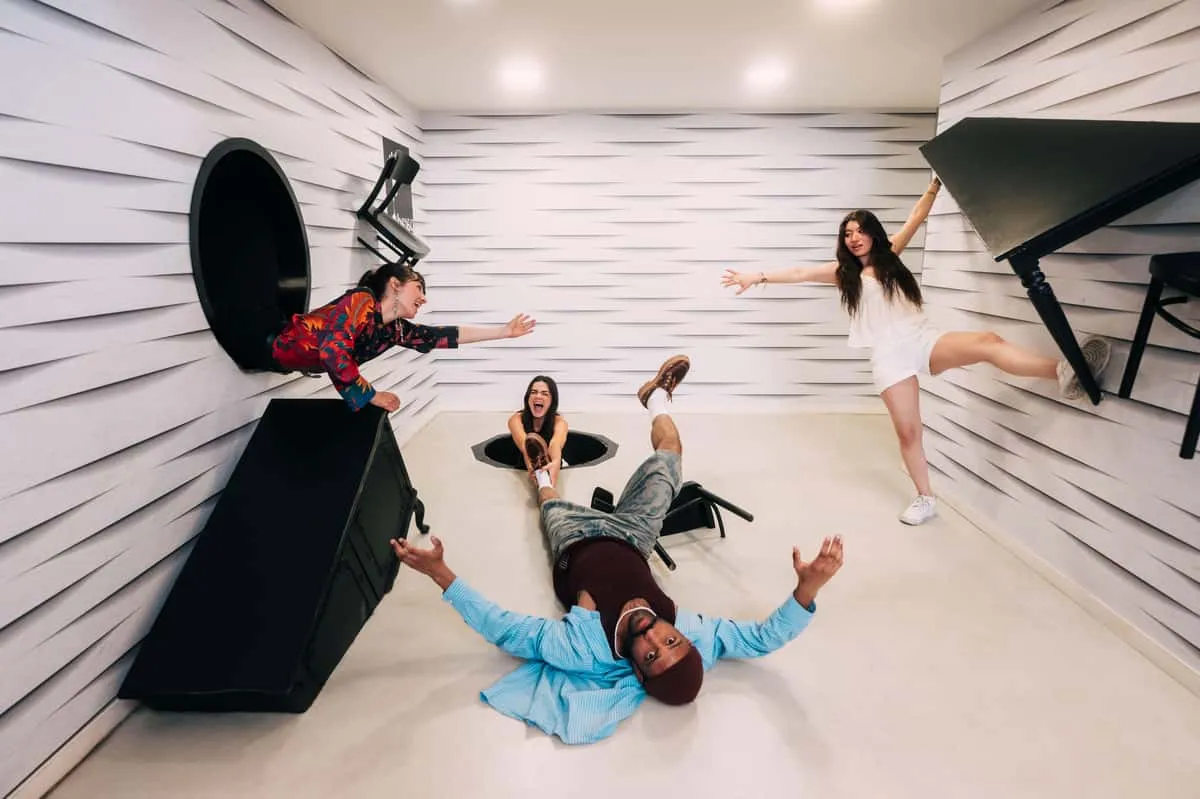
Grévin Wax Museum or the Paradox Museum of optical illusions — hands-on, photo-friendly and easy on short attention spans.
The Palace of Versailles — the Hall of Mirrors and Louis XIV's gardens, a short train ride from the city.
Short on time? These are the top museums in Paris, ranked, the best museums to visit in Paris with a one-line case for each and a link to its full section.
The essentials for the most famous museums in Paris, side by side. Note the closing day for each: the Louvre shuts on Tuesdays, while Orsay, Rodin and most others shut on Mondays, so you can always fill either day. Use this as your working list of museums in Paris.
| Museum | Best for | Area | Time needed | Closed | Ticket | Our take |
|---|---|---|---|---|---|---|
| The Louvre | World masterpieces | 1st · Rivoli | 3–4 h | Tue | €22 · Check Availability | Unmissable, but overwhelming — book the first slot and go straight for the wing you care about. |
| Musée d'Orsay | Impressionists | 7th · Left Bank | 2–3 h | Mon | €16 · Check Availability | The one we would keep if we had to drop all the rest — go for the fifth-floor Monets and Van Goghs. |
| Musée de l'Orangerie | Monet's Water Lilies | 1st · Tuileries | 1–1.5 h | Tue | €12.50 · Check Availability | Small and perfect — sit in the oval rooms for ten quiet minutes before you leave. |
| Musée Rodin | Sculpture & garden | 7th · Varenne | 1.5–2 h | Mon | €14 · garden €5 · Check Availability | The garden alone is worth it on a sunny day — buy the grounds-only ticket if you are short on time. |
| Musée Picasso | Picasso's career | 3rd · Marais | 1.5–2 h | Mon | €16 · Check Availability | Combine it with a Marais wander — the mansion itself is half the pleasure. |
| Jacquemart-André | Mansion & masters | 8th · Haussmann | 1.5 h | Varies | €17 · Check Availability | Book the tea salon under the Tiepolo ceiling — it is one of the great Paris afternoons. |
| Les Invalides | Napoleon & war | 7th · Invalides | 2–3 h | 1st Mon | €15 · Check Availability | The dome and Napoleon's tomb are the highlight; the WWII galleries reward extra time. |
| Quai Branly | World cultures | 7th · Eiffel | 1.5–2 h | Mon | €14 · Check Availability | A calm, atmospheric detour ten minutes from the Eiffel Tower. |
| Grévin | Wax celebrities | 9th · Boulevards | 1.5 h | Open daily | €26 door · cheaper online · Check Availability | The best rainy-day stop with kids — and it opens when the big museums are closed. |
| Versailles | Palace & gardens | Day trip · RER C | Half–full day | Mon | €21 · Check Availability | Go at opening and start with the Hall of Mirrors before the coach tours arrive. |
The Paris Museum Pass gives you skip-the-ticket-line entry to more than 60 museums and monuments, including almost every museum on this page, for one flat price. It comes in 2-day (around €79), 4-day (around €94) and 6-day (around €114) versions, running on consecutive days from first use. The maths is simple: add up the door prices of the places you actually want to see, and if the total beats the pass, buy the pass.
Note that a few sights here — Grévin, the Paradox Museum, the World of Banksy and the Musée de Montmartre — are private and not covered.
| Museum | Door ticket | In the Museum Pass? |
|---|---|---|
| The Louvre | €22 | Yes — timed reservation still required |
| Musée d'Orsay | €16 | Yes |
| Musée de l'Orangerie | €12.50 | Yes |
| Musée Rodin | €14 | Yes |
| Musée Picasso | €16 | Yes |
| Les Invalides / Army Museum | €15 | Yes |
| Quai Branly | €14 | Yes |
| Palace of Versailles | €21 | Yes — timed reservation still required |
| Grévin, Paradox, Banksy, Montmartre | €15–€26 | No — buy separately |
A quick example: the Louvre, Orsay, Orangerie, Rodin and Versailles together cost about €85.50 at the door, so a 2-day pass at roughly €79 already pays off if you see three or four of them in two days. Two cautions. First, the pass covers entry but not the mandatory timed reservation at the Louvre and Versailles, so you still book a slot online.
Second, if you plan a slow trip with one museum a day, individual tickets are usually cheaper. Buy the Paris Museum Pass below if you are a fast, ambitious sightseer, and skip it if you are not.
Color = theme. Click any pin to jump to that museum's section of the guide.
If you visit one museum in Paris, make it the Louvre Museum, the best museum in Paris by almost any measure and the most visited museum on earth, home to around 35,000 works spread across a former royal palace on the Rive Droite. The Mona Lisa draws the crowds, but the real depth is in the Venus de Milo, the Winged Victory of Samothrace, the vast French and Italian painting galleries and the Egyptian antiquities. Plan for at least three or four hours, and accept that you cannot see it all in one visit. It opens Wednesday to Monday from 9:00 to 18:00, stays open until 21:45 on Fridays, and closes on Tuesdays.
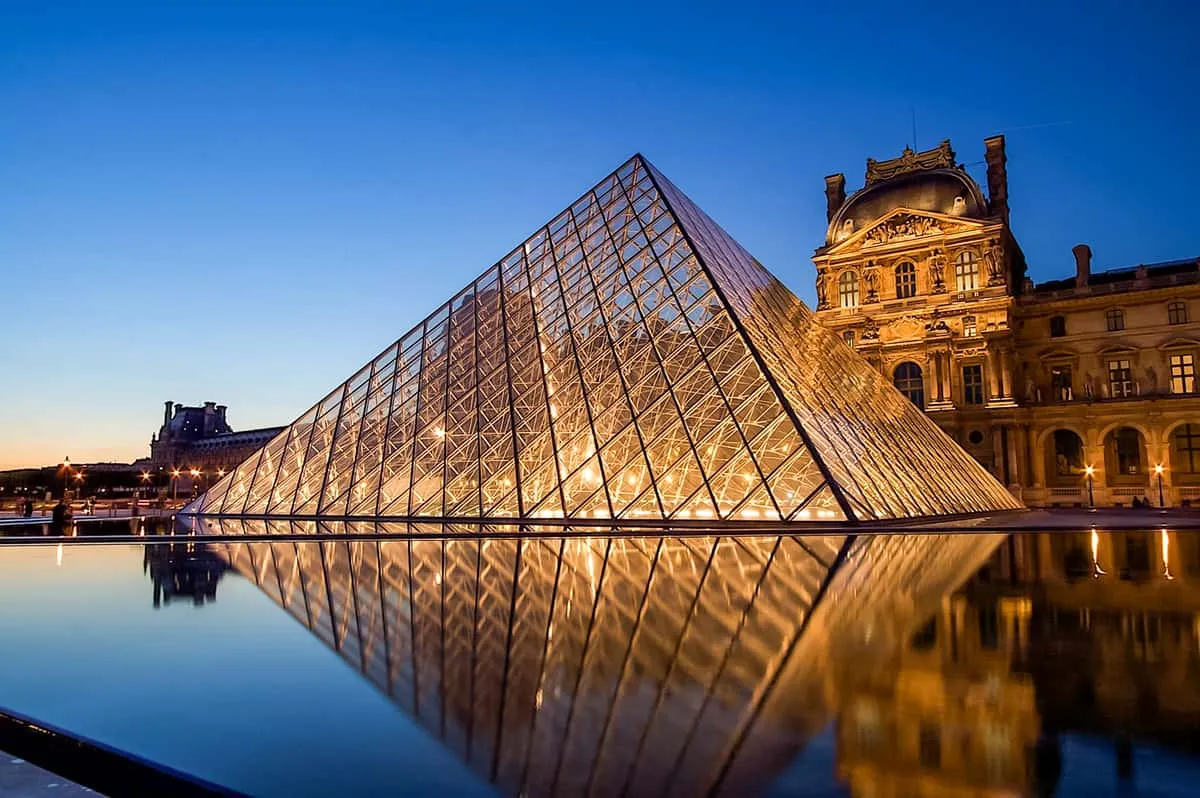
The single most important tip: reserve a timed entry slot online, even with a Paris Museum Pass, because the Louvre turns away visitors without one at busy times. The main glass pyramid entrance has the longest queue, so use the Carrousel du Louvre entrance under the shopping arcade or the Porte des Lions when it is open. The nearest metro is Palais Royal – Musée du Louvre on lines 1 and 7, which brings you straight into the Carrousel.
Because the layout defeats most first-timers, a guided tour or the museum's own app pays off here more than anywhere. Go for the wing you care about first while your energy is fresh, then wander. Mornings and Friday evenings are calmer than weekend afternoons, and the Denon wing around the Mona Lisa is busiest of all.
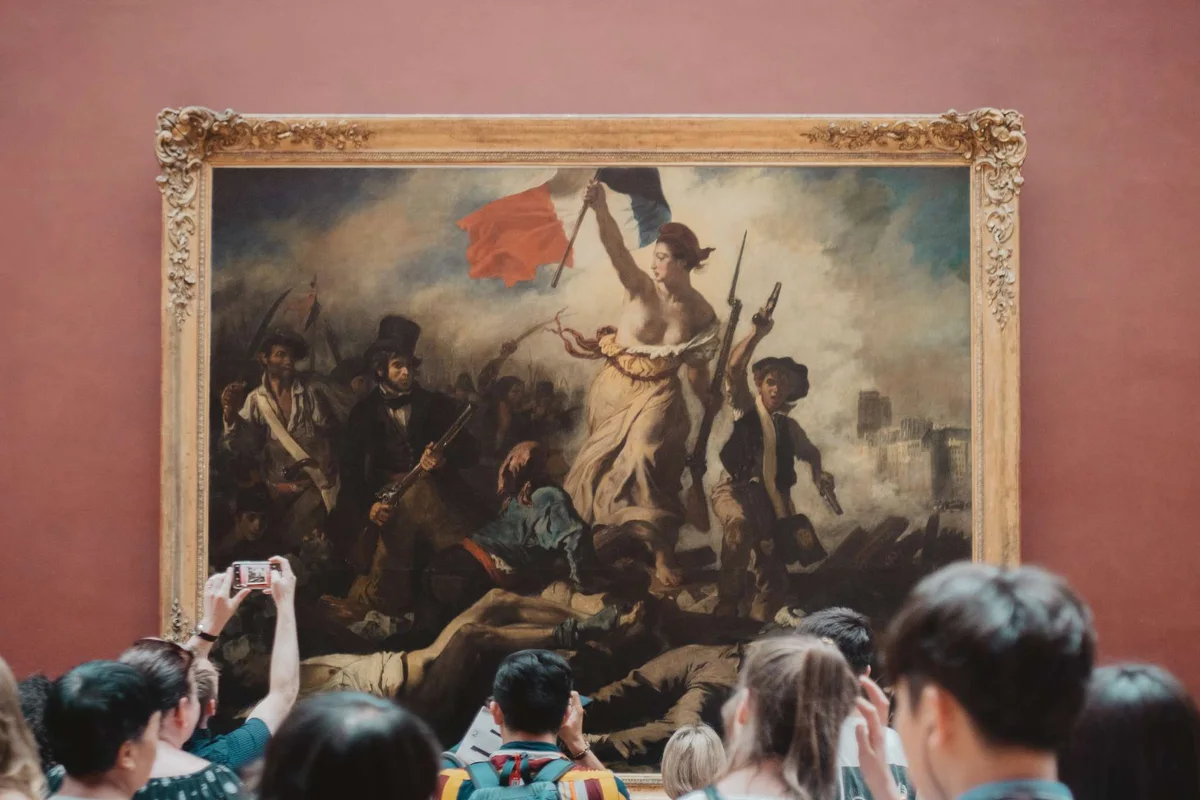
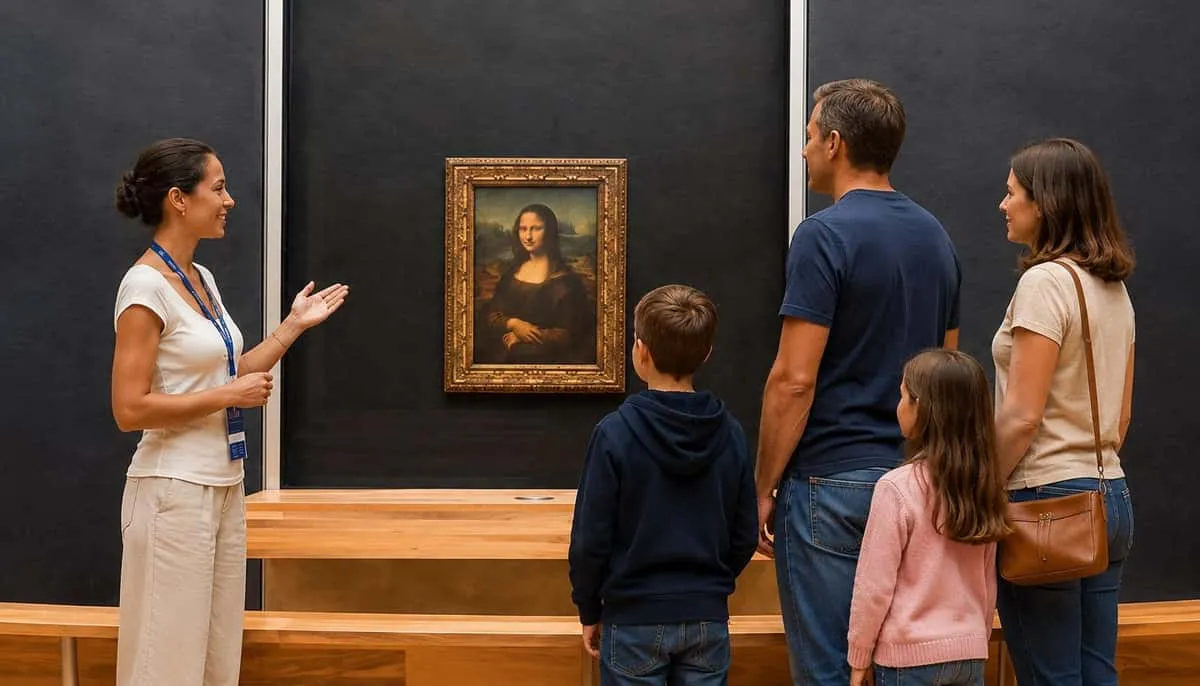
Leonardo's portrait hangs behind glass in the Denon wing, the single most visited artwork in the world.
The armless Greek goddess and the soaring Winged Victory of Samothrace are Louvre icons in their own right.
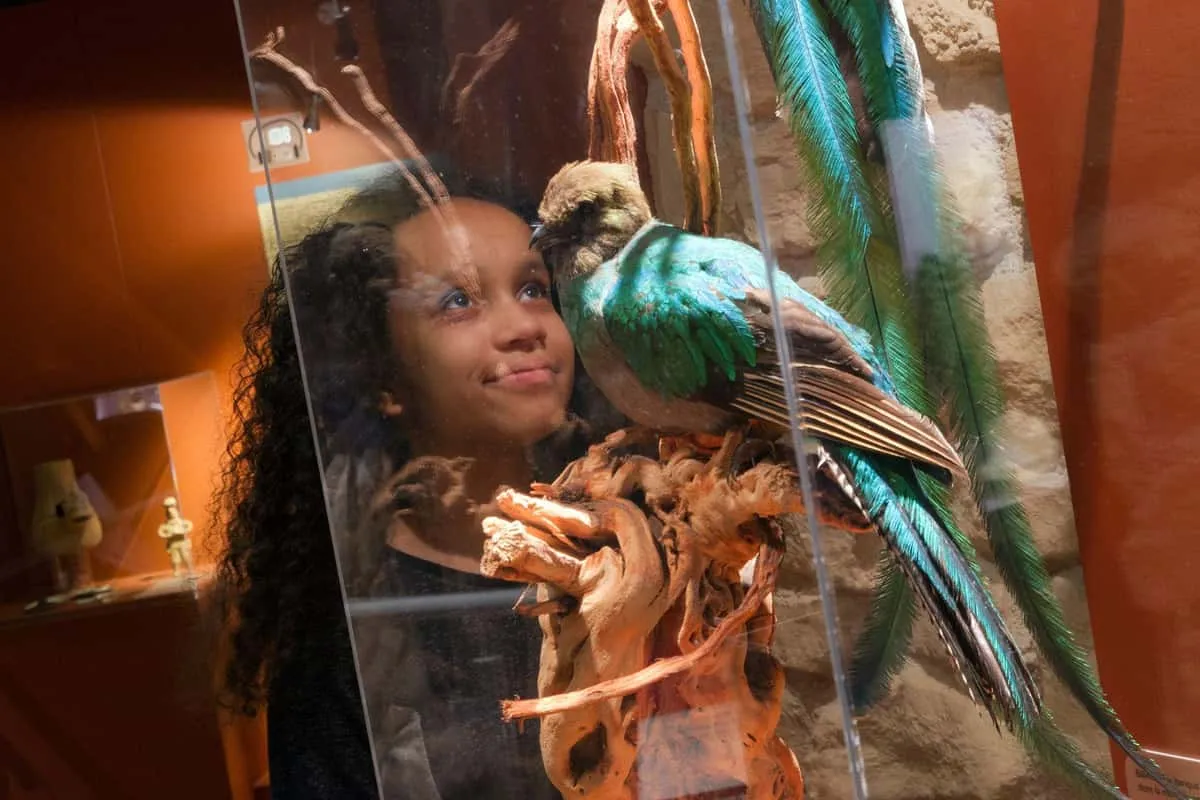
The building itself is a monument, from the medieval foundations in the basement to the Napoleon III apartments.
One of the world's great Egyptian collections fills a wing, sphinxes, mummies and monumental statues included.
The Grande Galerie runs for a quarter of a mile past Raphael, Caravaggio, David and Delacroix.
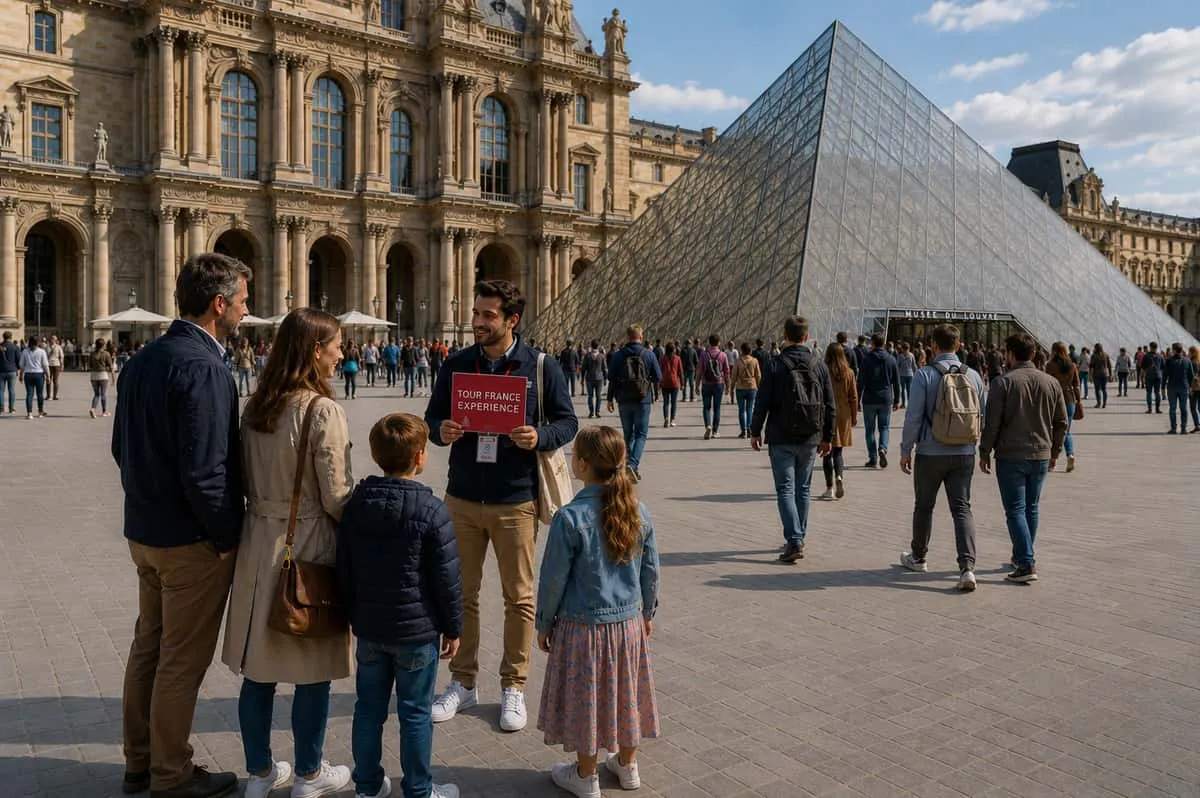
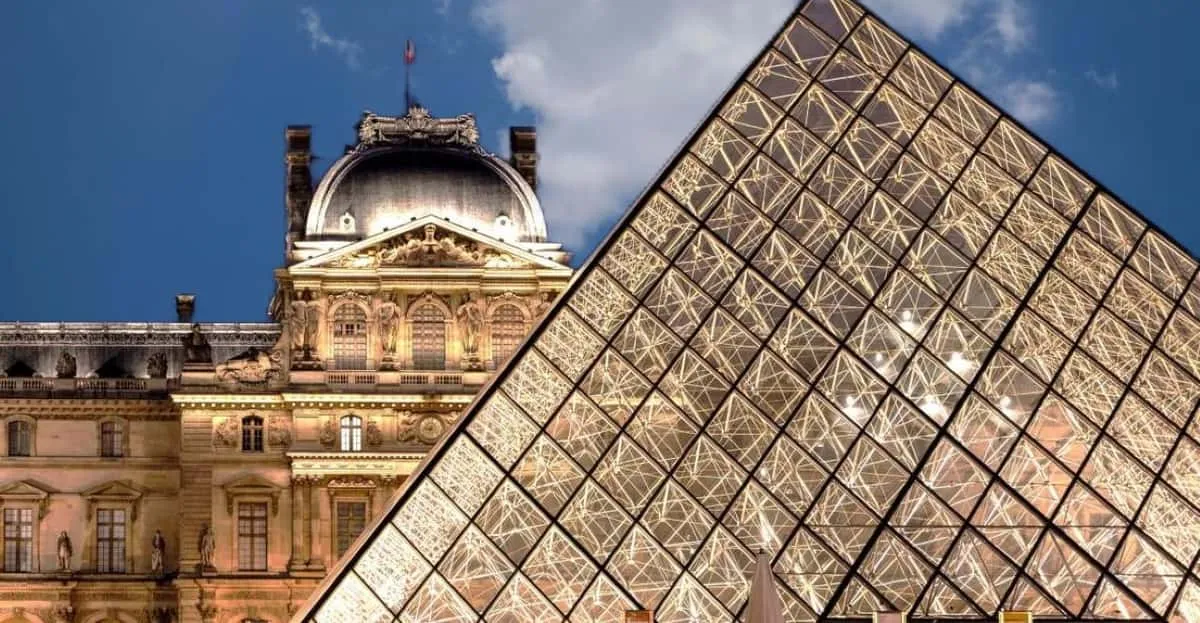
I. M. Pei's pyramid over the entrance is now as much a symbol of Paris as the palace behind it.
Use the Carrousel du Louvre entrance to skip the pyramid queue.
Reserve a timed slot online before you go, and enter through the Carrousel du Louvre rather than the pyramid. Head for the Mona Lisa first thing or in the last hour, when the Denon wing thins out, and pick one or two wings rather than trying to see everything.
We booked a guided highlights tour and it turned an intimidating maze into the best morning of the trip. Seeing the Mona Lisa without queuing for an hour was worth every cent.
Enormous — do not try to see it all. We picked the Denon wing and the Egyptian rooms and left happy. Go at opening.
The building itself amazed me as much as the art. Reserve your slot online, the walk-up line was brutal.
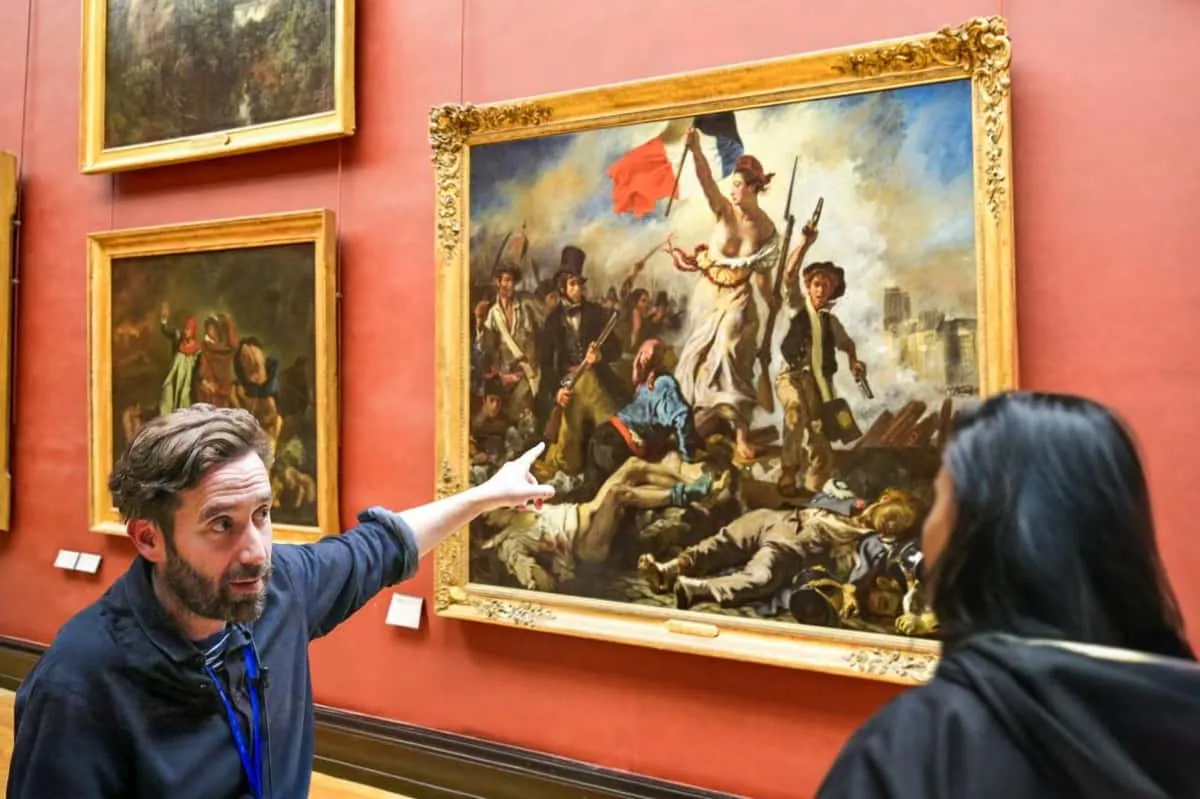
Skip-the-line Louvre tickets, Mona Lisa highlights tours, small-group and family visits, plus a Louvre and Seine cruise combo.
from $112Our pick  from $102
  from $86
  from $72
  from $73
  from $113
  from $108
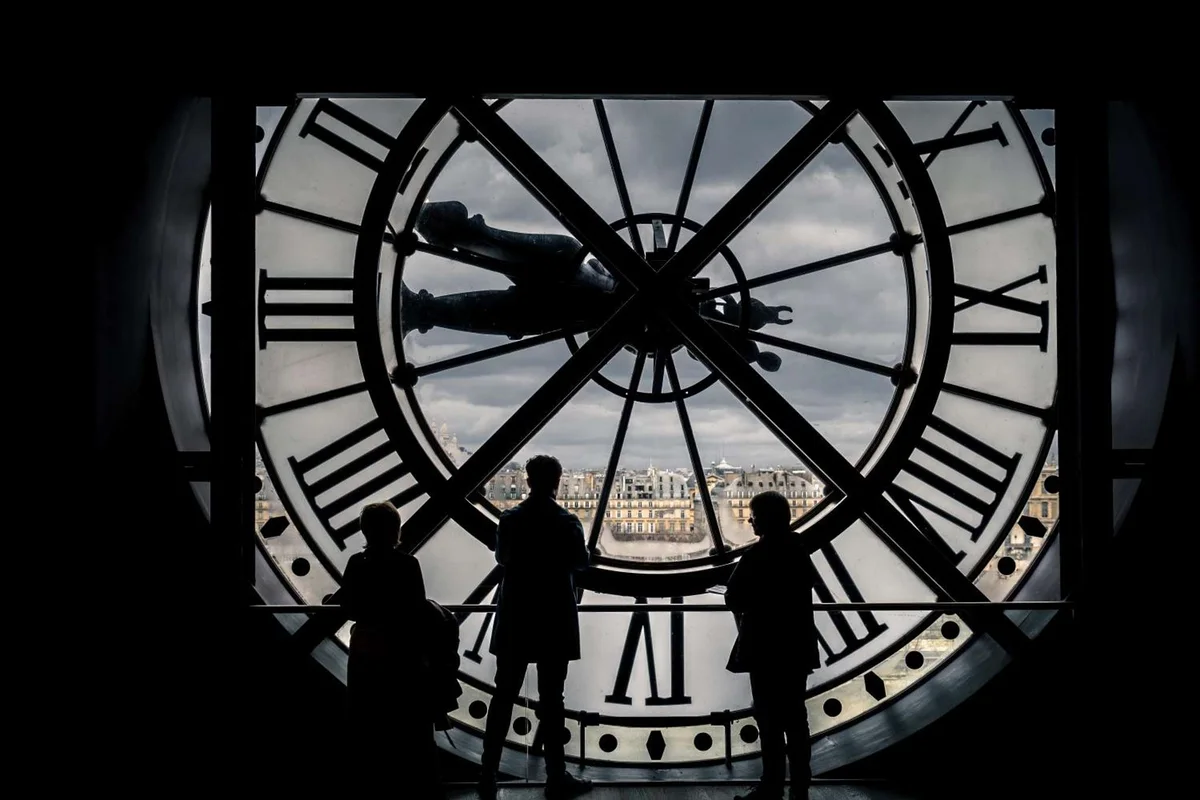
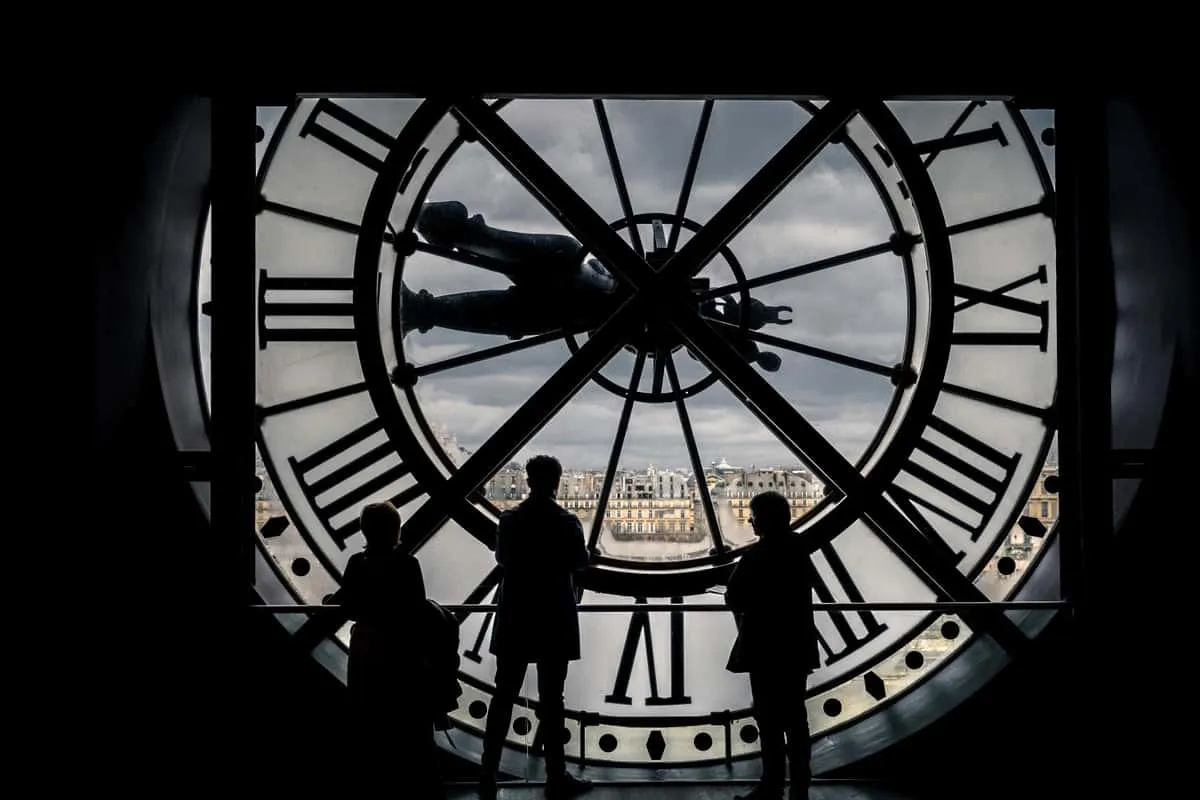
 The Musée d'Orsay, the finest Impressionist museum in Paris, holds the world's greatest collection of Impressionist and Post-Impressionist art, and it does so inside a magnificent former railway station on the Left Bank, its great clock still facing the Seine. With the Louvre and the Orangerie nearby, this stretch of the Seine gathers the best art museums in Paris within a single walk. This is where you find Monet, Renoir, Degas, Van Gogh's self-portraits, Manet's scandalous Olympia and Whistler's Mother, hung across airy galleries under the old station roof. It opens Tuesday to Sunday, 9:30 to 18:00, stays open until 21:45 on Thursdays, and closes on Mondays. The nearest stop is Solférino on line 12, or RER C at Musée d'Orsay.
A short walk across the Tuileries gardens brings you to the Musée de l'Orangerie, a small museum built around a single masterpiece: Monet's eight monumental Water Lilies panels, wrapped around two oval rooms exactly as the painter intended. Downstairs sits a jewel-box collection of Cézanne, Renoir, Matisse and Picasso. It opens Wednesday to Monday, 9:00 to 18:00, and closes on Tuesdays, so it neatly covers the Orsay's closed day.
Both reward reserving a timed ticket, especially the Orsay on Thursday evenings and weekends. Head straight to the fifth floor of the Orsay for the famous Impressionist rooms before the crowds build, then work down. The two museums make a natural pair, and a combined Orsay and Rodin ticket covers a third great collection a short walk away.
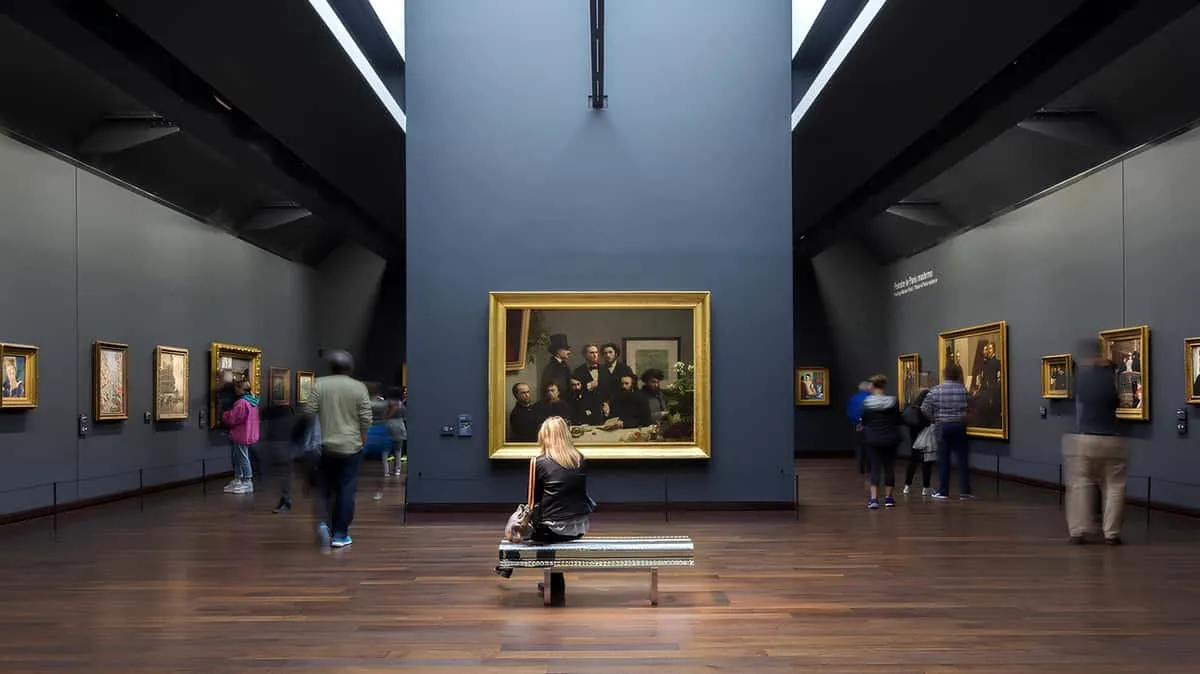
Monet, Renoir, Degas and Pissarro fill the Orsay's top floor, the densest gathering of Impressionism anywhere.
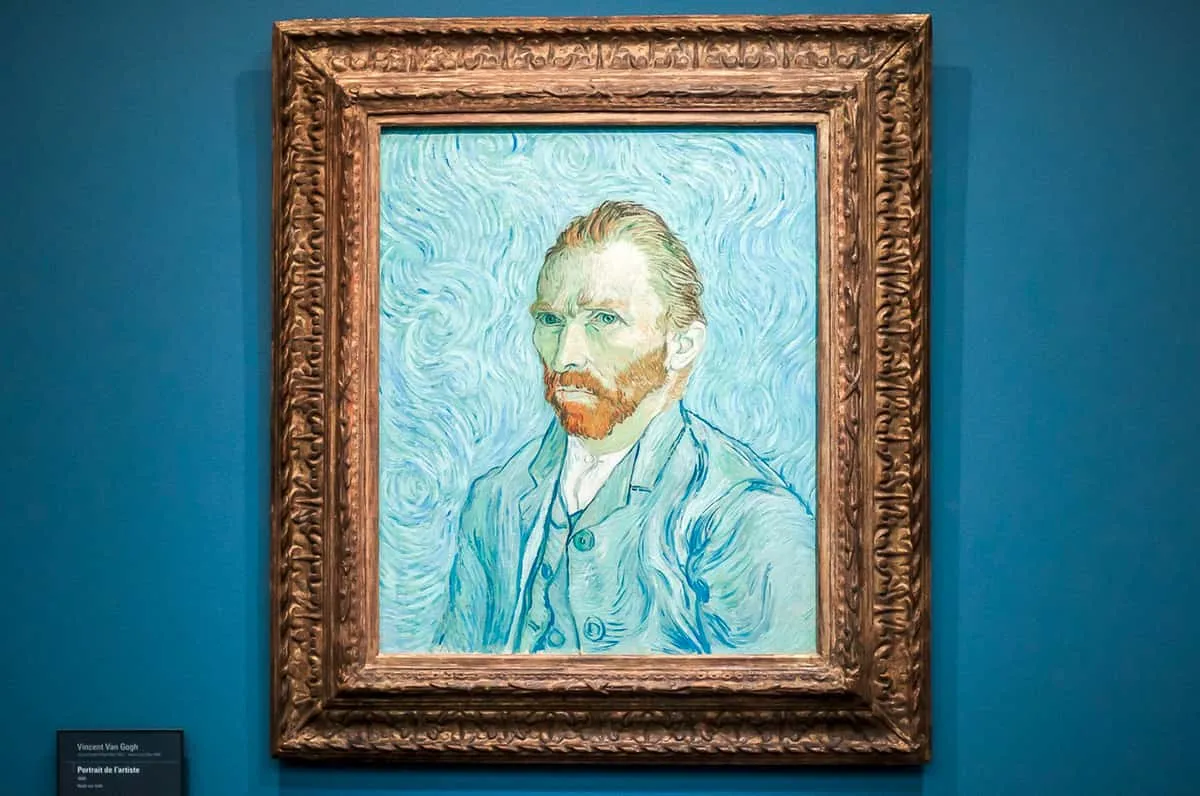
The Orsay holds Van Gogh's self-portrait and starry night over the Rhône, plus Gauguin, Seurat and Cézanne.
The Orsay's soaring 1900 station hall, with its glass roof and giant clock, is a work of art in itself.
The Orangerie's two oval rooms wrap you in eight Water Lilies panels the painter designed for that exact space.
Beneath the Water Lilies, the Orangerie's Walter-Guillaume collection gathers Cézanne, Renoir, Matisse and Picasso.
The Orsay and Orangerie sit across the Tuileries from each other, closing on opposite days of the week.
The Musée de l'Orangerie is a ten-minute walk across the Tuileries, closed Tuesdays.
Go straight to the Orsay's fifth floor for the Impressionists before the crowds, then spiral down. Reserve a timed ticket, and pair the two museums on opposite days if you can, since the Orsay closes Mondays and the Orangerie closes Tuesdays.
The Orsay is the museum I would go back to first. Standing in front of the Van Goghs on the top floor, with that giant clock behind you, is unforgettable.
The Orangerie is tiny but I sat in the Water Lilies rooms for twenty minutes. It might be the most peaceful place in Paris.
We did Orsay and Orangerie in one afternoon on a combined plan. Two of the best collections in the world, ten minutes apart.
Orsay entry with audio guide, small-group and Impressionism guided tours, the Orsay–Rodin combo, and the Orangerie with a Seine cruise.
 from $32Our pick
  from $15
  from $107
  from $114
  from $51
  from $15
  from $47
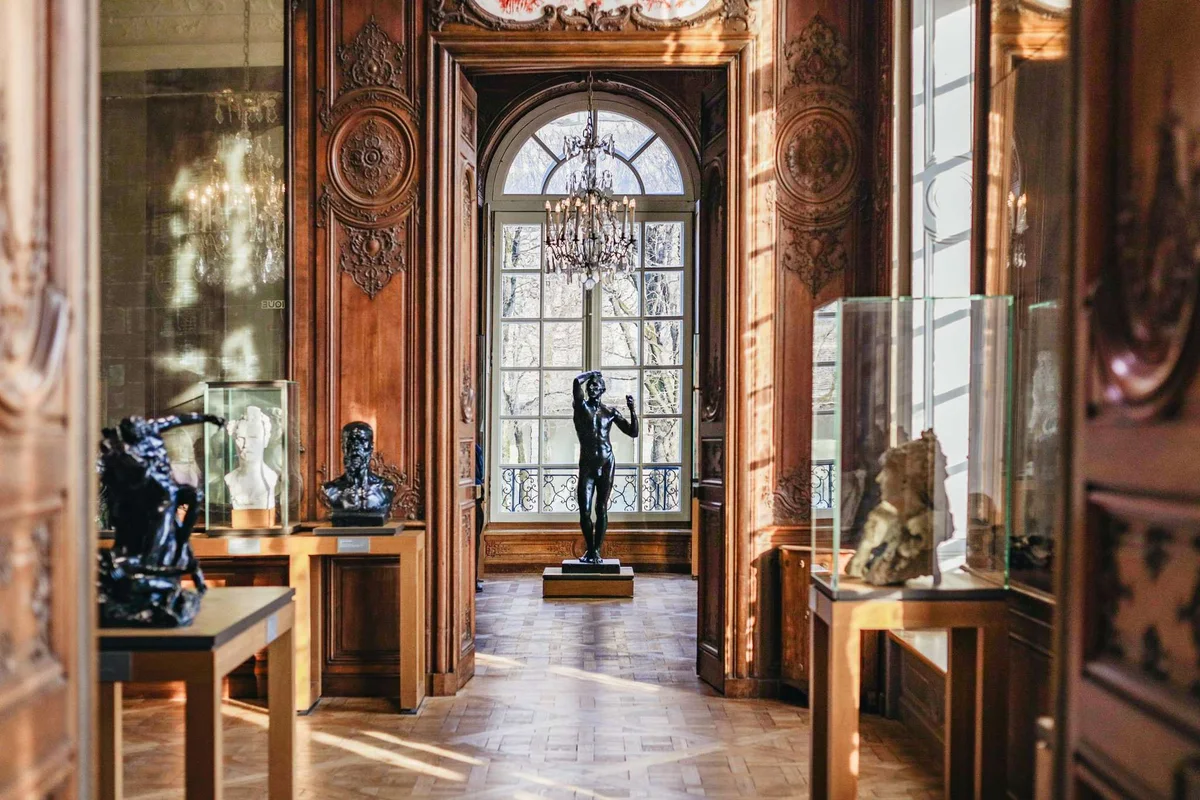
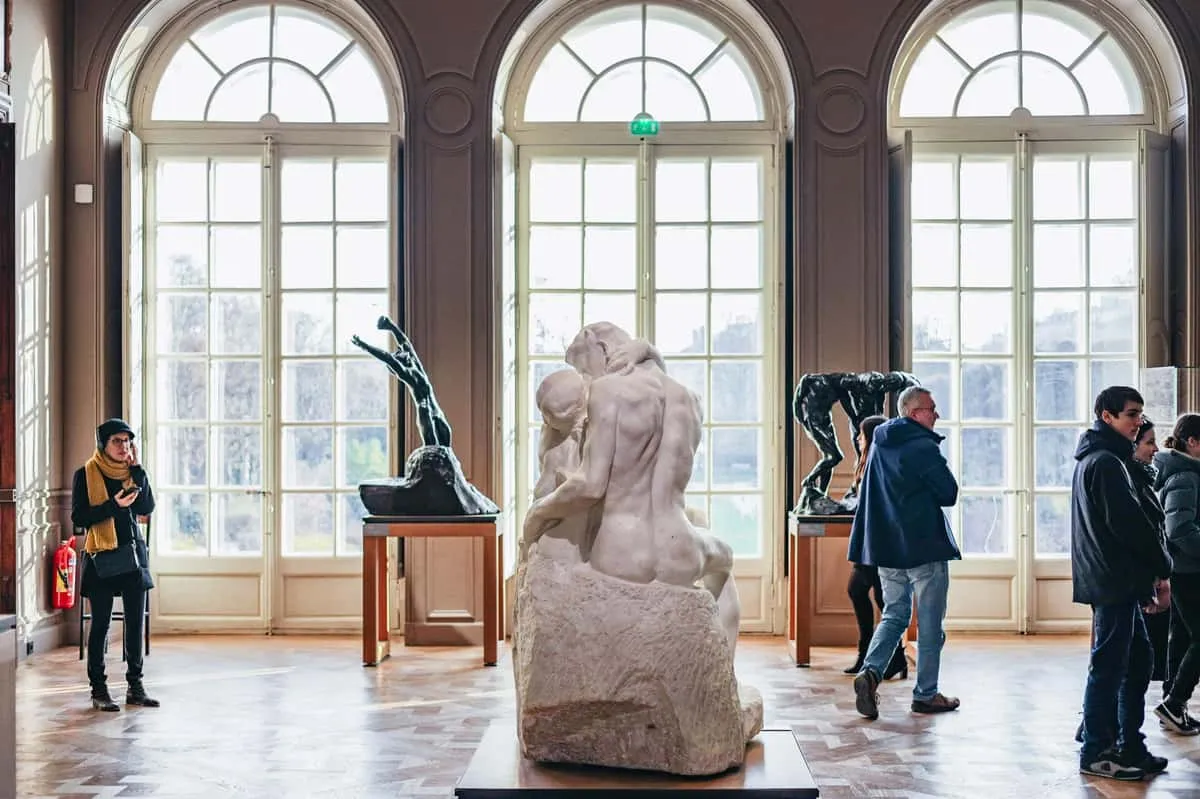
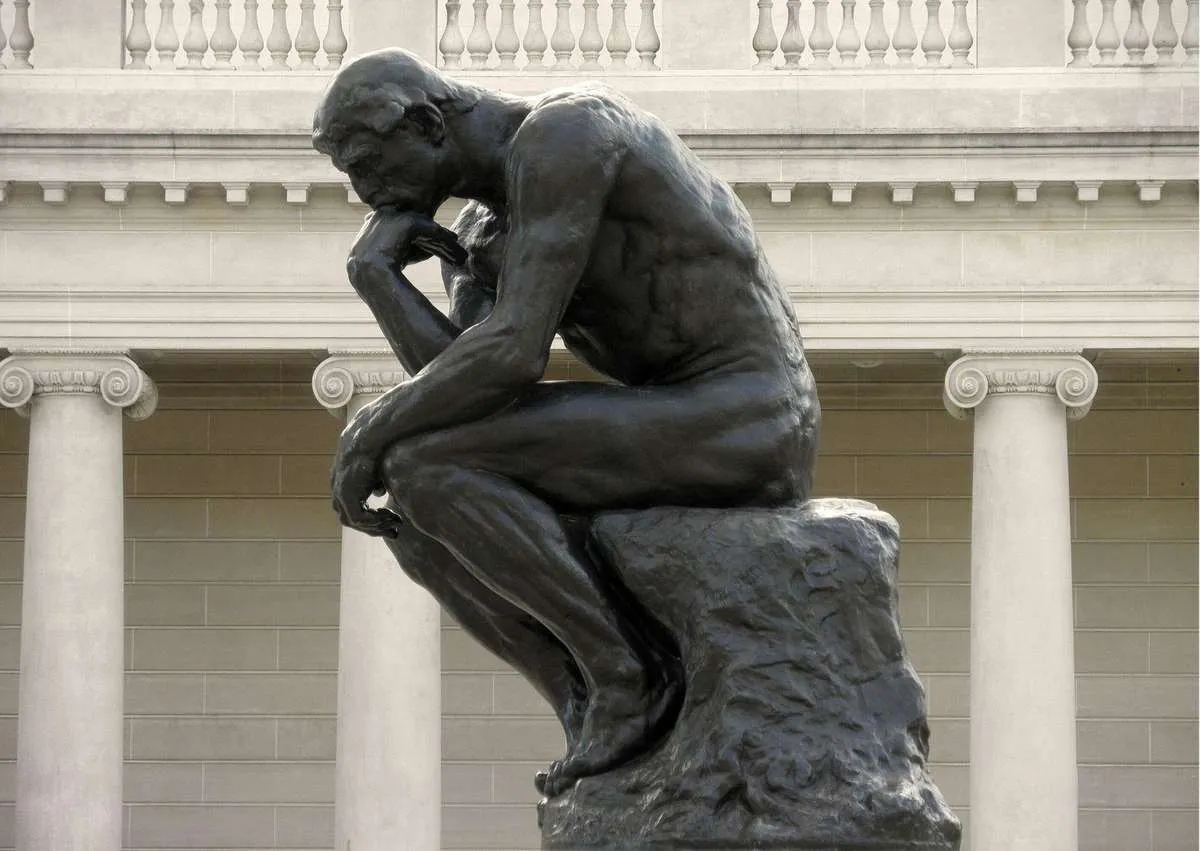
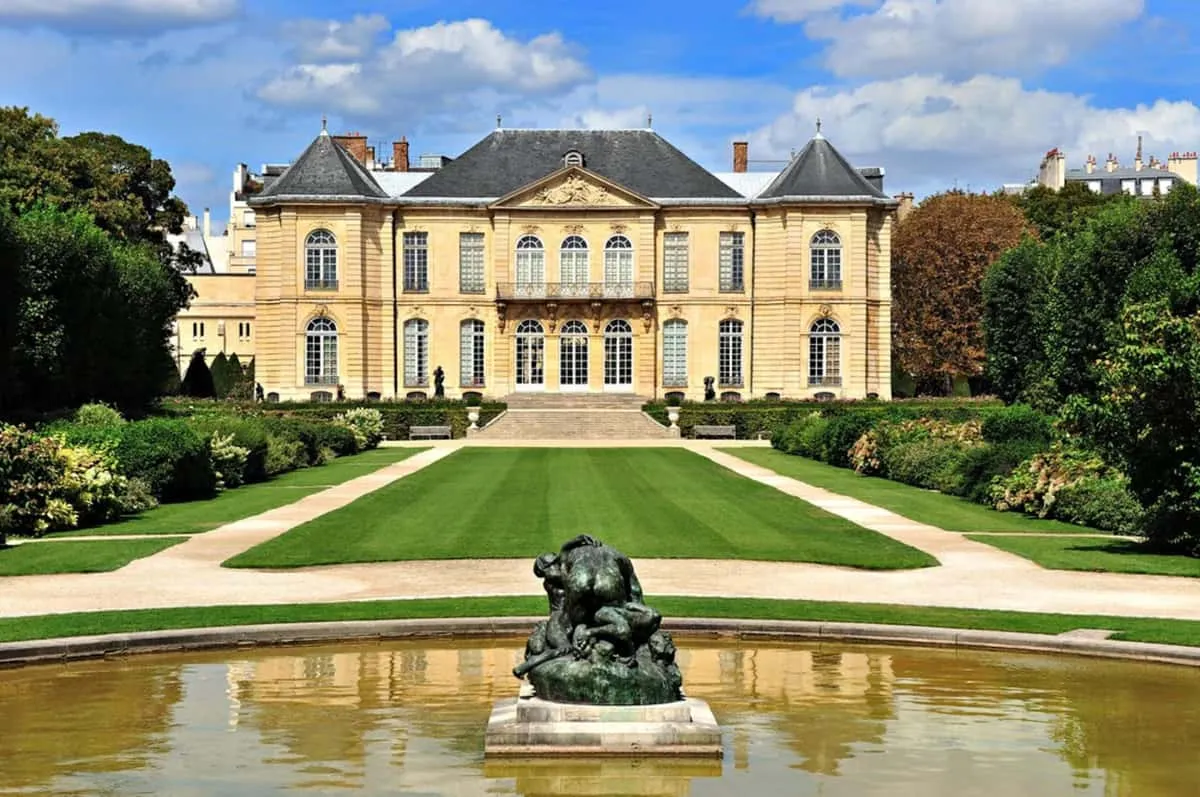
 Two of the most rewarding museums in Paris are also two of the most manageable, each built around a single artist inside a historic mansion. The Musée Rodin fills the eighteenth-century Hôtel Biron and its rose gardens in the 7th arrondissement, where The Thinker broods on a plinth and The Gates of Hell and The Kiss stand among the flowerbeds. It opens Tuesday to Sunday, 10:00 to 18:30, and closes on Mondays; the nearest metro is Varenne on line 13, right outside. A garden-only ticket is a bargain on a fine day.
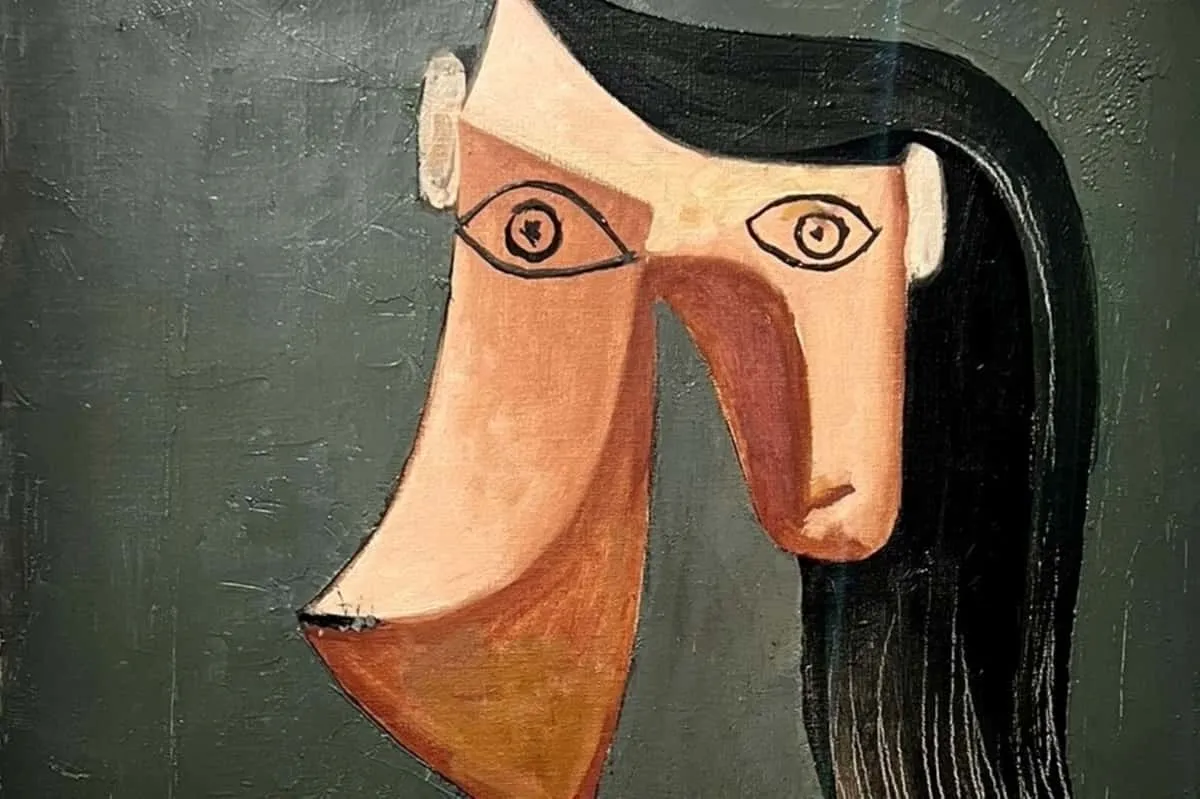
Across the river in the Marais, the Musée Picasso occupies the grand seventeenth-century Hôtel Salé and traces the artist's entire career, from Blue Period portraits to Cubism and his late work, alongside his own collection of Cézanne, Matisse and Rousseau. It opens Tuesday to Friday from 10:30 and weekends from 9:30, closing at 18:00, and shuts on Mondays. Saint-Sébastien – Froissart on line 8 is the closest stop.
Both museums pair beautifully with a walk: the Rodin garden with the nearby Invalides, and the Picasso with the boutiques and cafés of the Marais. Neither is as overwhelming as the Louvre, which makes them ideal for a focused hour or two when gallery fatigue is setting in.
Rodin's most famous bronze sits outdoors among the roses, alongside The Gates of Hell and The Burghers of Calais.
Inside the Hôtel Biron, The Kiss and hundreds of works show how Rodin transformed sculpture.
A dedicated room gives Rodin's brilliant contemporary and partner her due, a highlight many visitors miss.
The Musée Picasso runs from Blue Period portraits through Cubism to his late work, all under one roof.
Picasso's museum fills a lavish seventeenth-century Marais mansion, a sight in its own right.
Both are small enough to see properly in ninety minutes, the perfect antidote to Louvre fatigue.
The Musée Picasso, the other anchor here, is across the river in the Marais.
Buy the garden-only ticket at the Rodin on a sunny day, when the roses and sculptures outdoors are the real draw. At the Picasso, go early on a weekday and give yourself time for the Marais afterward. Both close on Mondays, so plan them around the Louvre's Tuesday closure.
The Rodin garden was the surprise of our trip. We bought the grounds ticket, sat with The Thinker in the sun and it was pure Paris.
Seeing Picasso's whole life in one mansion, in order, finally made his work click for me. The building is gorgeous too.
After a morning fighting Louvre crowds, the Rodin felt like a spa. Small, calm, beautiful.
Rodin entrance and skip-the-line tickets, a private Rodin garden tour, and Picasso entry with an optional Seine cruise.
 from $16Our pick
  from $23
  from $524
  from $18
  from $20
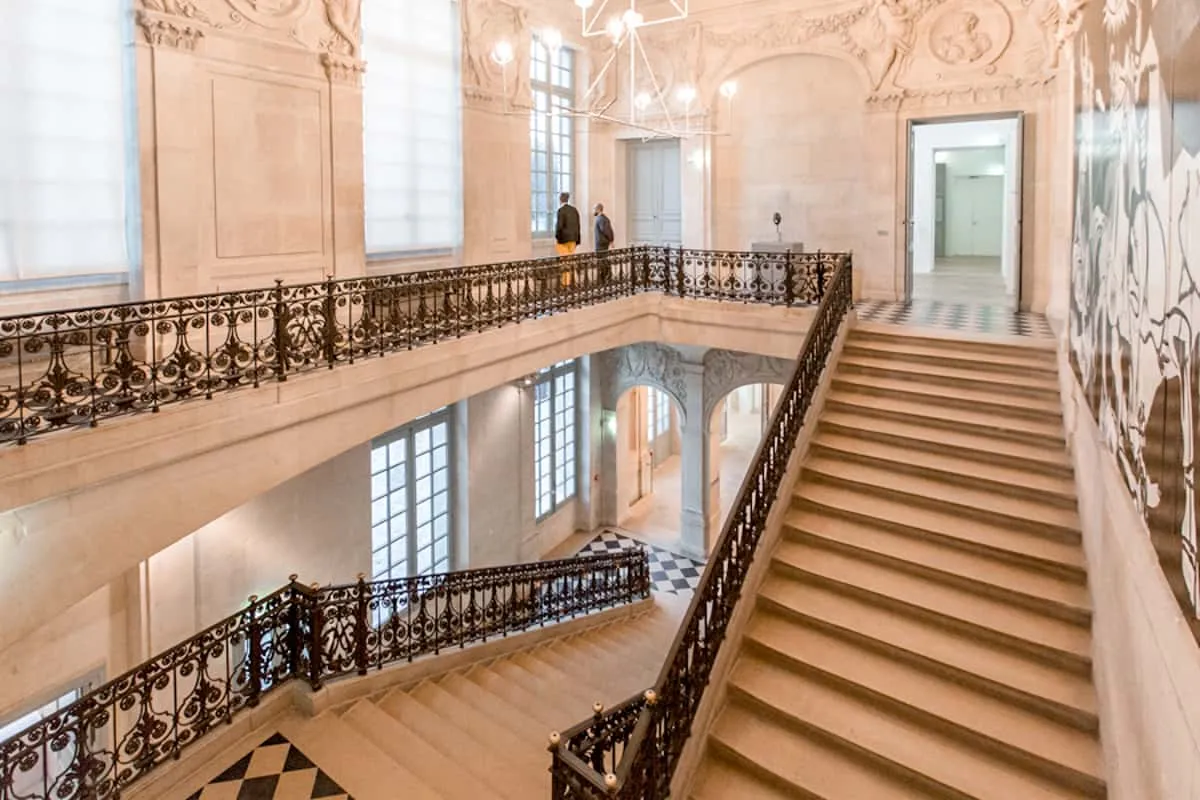
 Away from the blockbuster crowds, some of the loveliest museums in Paris are private homes turned over to art. The Musée Jacquemart-André, on Boulevard Haussmann in the 8th, is the finest of them: a gilded nineteenth-century mansion built by a collector couple and kept as they left it, hung with Botticelli, Uccello, Rembrandt and a Tiepolo ceiling over the grand staircase. It runs major seasonal exhibitions and opens daily around 10:00 to 18:00, later on exhibition evenings. Miromesnil on lines 9 and 13 is the nearest stop, and the tea salon under the frescoed ceiling is a destination in itself.
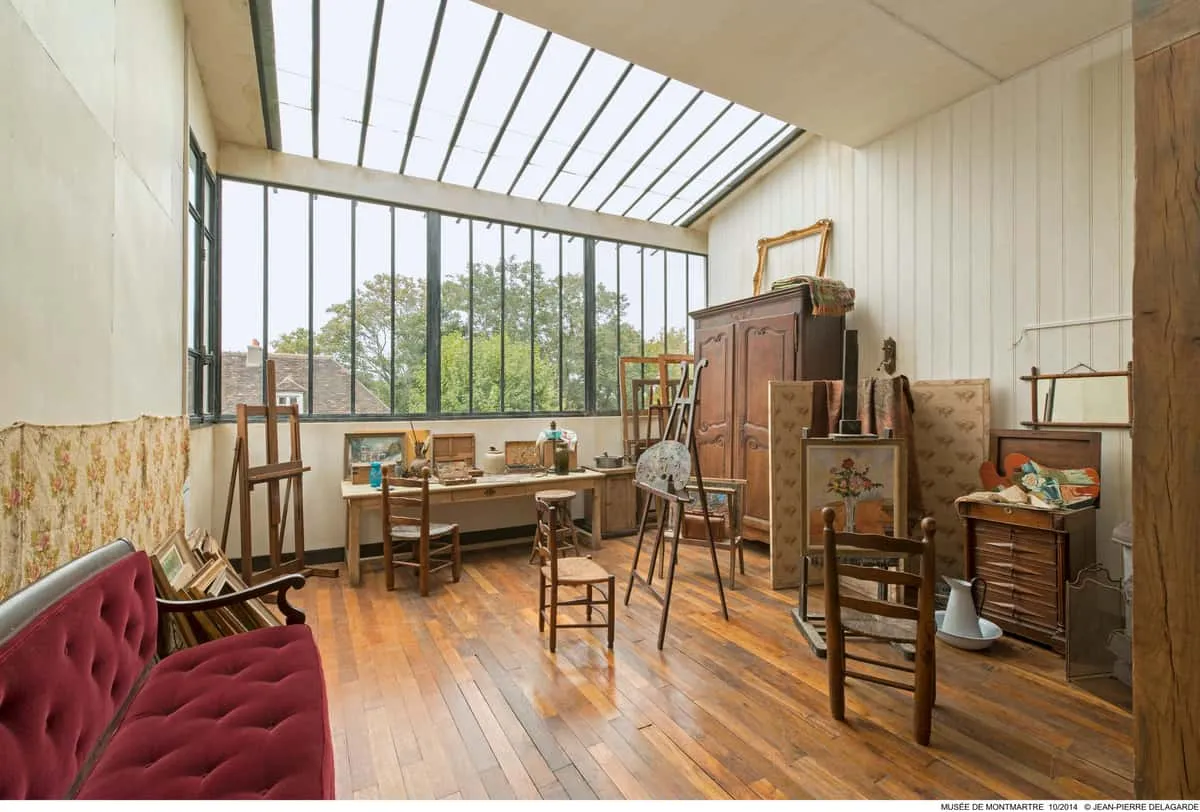
Up on the Butte, the Musée de Montmartre occupies the oldest house on the hill, where Renoir, Valadon and Utrillo once kept studios, and it tells the story of bohemian Montmartre through posters, paintings and the restored Renoir gardens with their view over the last Paris vineyard. It opens daily, roughly 10:00 to 18:00; Lamarck – Caulaincourt on line 12 climbs you most of the way up.
These are the museums for a slower, more atmospheric Paris afternoon. Neither takes more than ninety minutes, both sit in handsome neighbourhoods made for wandering, and both stay open on days when the national museums close, which makes them useful gap-fillers as well as gems in their own right.
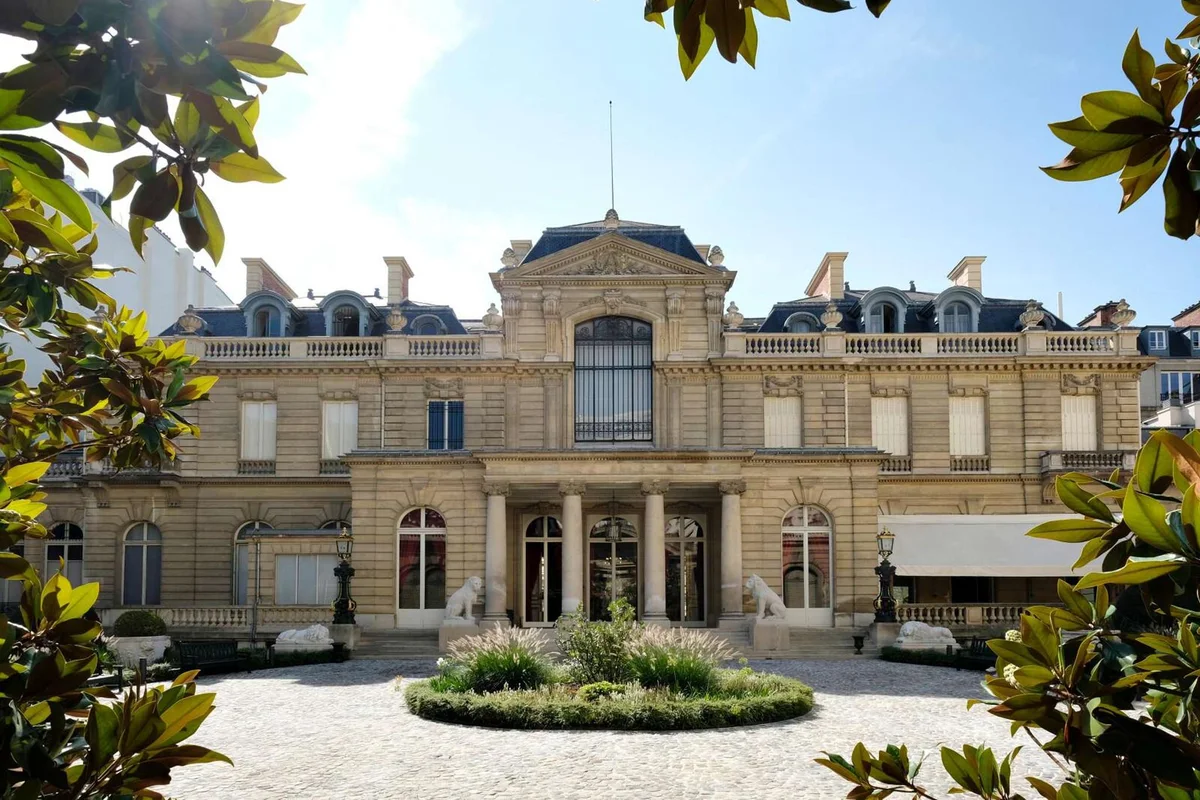
The Jacquemart-André is kept as its art-loving owners left it, a lived-in mansion rather than a gallery.
Botticelli, Uccello and Mantegna hang in the mansion's 'Italian Museum', a small trove of Renaissance painting.
Coffee and cake under Tiepolo's ceiling, in the couple's original dining room, is one of the great Paris rituals.
The Musée de Montmartre fills the hill's oldest house, where Renoir, Valadon and Utrillo painted.
Restored gardens on the Butte look over the last working vineyard in Paris, a rare quiet view.
Both stay open on Mondays and Tuesdays, filling the gap when the national museums are shut.
The Musée de Montmartre, the other gem here, is up on the Butte in the 18th.
Book the Jacquemart-André ahead when a big exhibition is on, and save time for the tea salon under the Tiepolo ceiling. At Montmartre, come on a weekday morning and linger in the Renoir gardens before the hill fills up.
The Jacquemart-André was the most beautiful place we saw in Paris and almost empty. We had tea under the painted ceiling and did not want to leave.
The Montmartre museum gave the hill some depth beyond the crowds at Sacré-Cœur. The gardens and the vineyard view were lovely.
A gilded mansion full of Rembrandts with no queue at all. This is the Paris people mean when they say 'hidden gem'.
Admission to the Jacquemart-André mansion and its exhibitions, plus entry to the Musée de Montmartre and its gardens.
 from $22Our pick
  from $22
  from $16
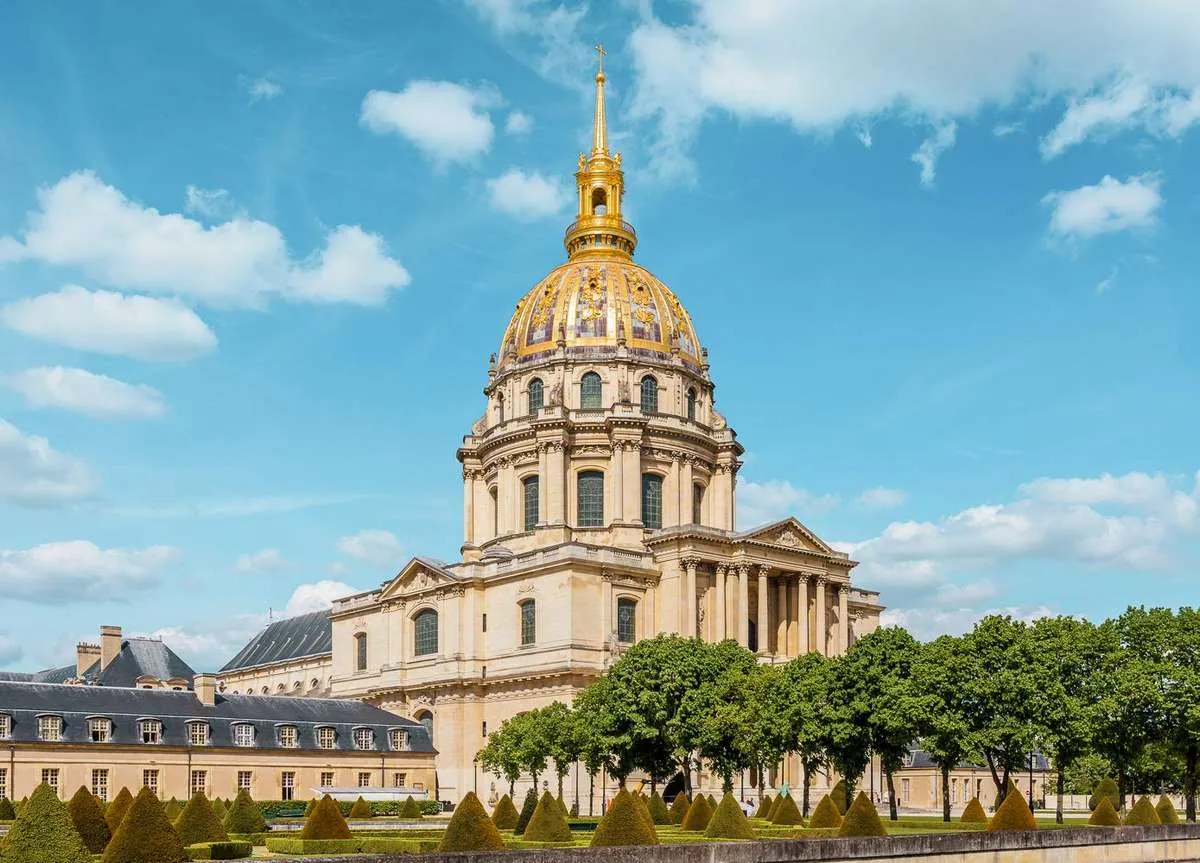
 Some of the most powerful museums in Paris tell the story of nations rather than artists. Under the golden dome of Les Invalides, in the 7th, lies Napoleon's tomb, ringed by the Musée de l'Armée, one of the largest military-history collections in the world. Medieval armour, Napoleonic campaigns and extensive First and Second World War galleries fill the wings of Louis XIV's old veterans' hospital. It opens daily, roughly 10:00 to 18:00, and closes on the first Monday of most months; La Tour-Maubourg on line 8 or Invalides on line 13 put you at the door.
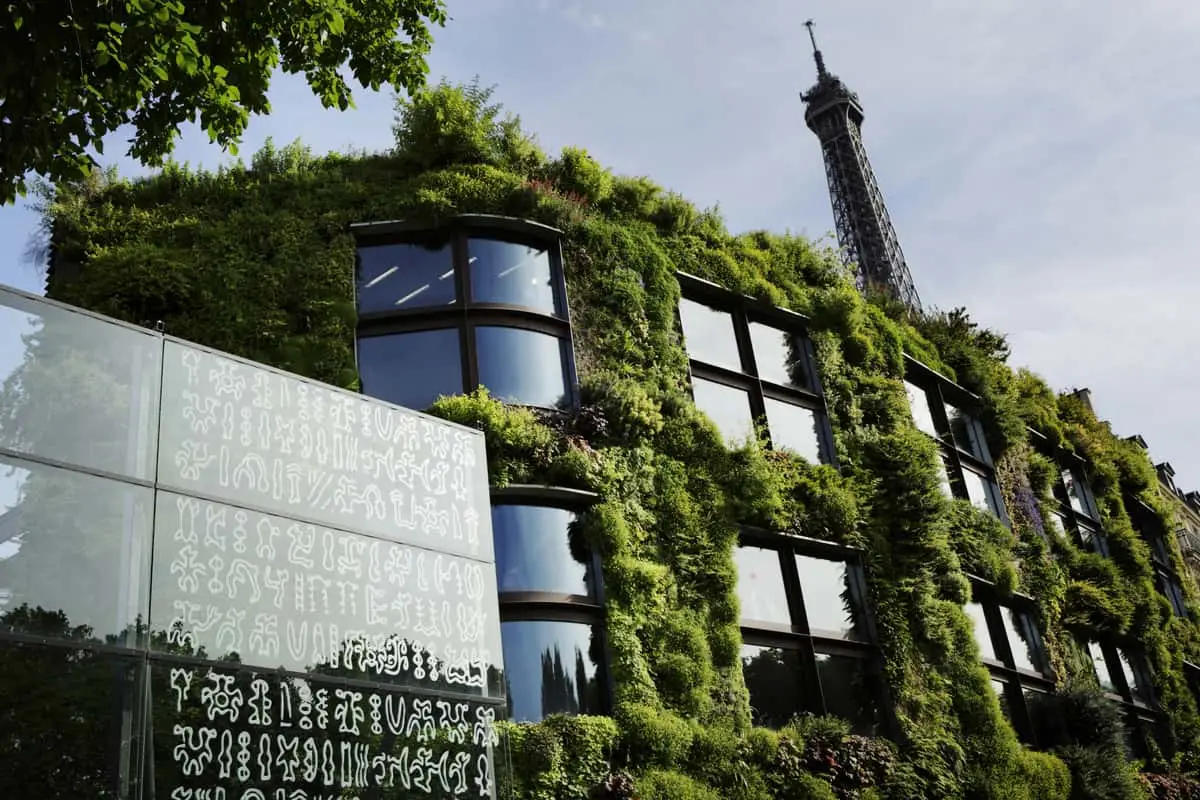
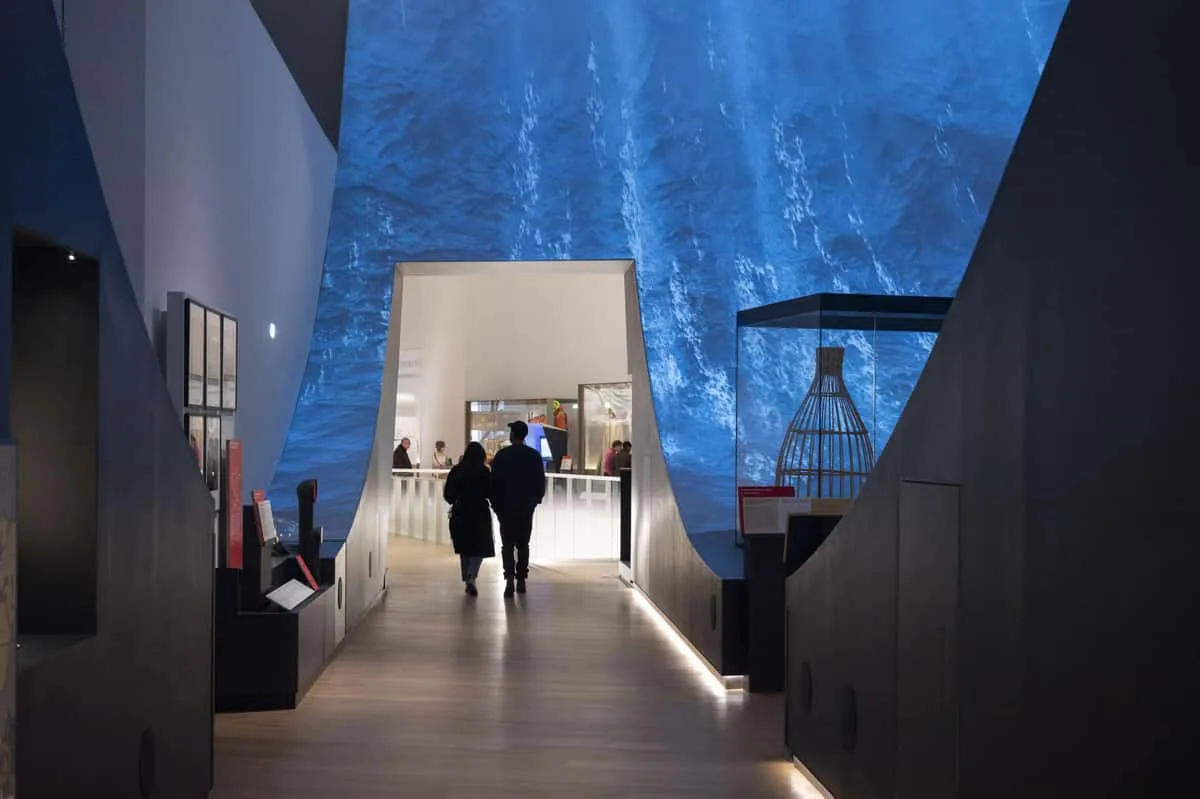
Beside the Seine near the Eiffel Tower, the Musée du Quai Branly – Jacques Chirac is devoted to the arts of Africa, Asia, Oceania and the Americas, its dim, winding galleries wrapped in a famous living green wall. Masks, textiles, sculpture and instruments from across the world fill a building by Jean Nouvel that is itself worth the trip. It opens Tuesday to Sunday, 10:30 to 19:00, later on Thursdays, and closes on Mondays.
Rounding out the group, the Musée National de la Marine at the Trocadéro reopened after a long renovation with model ships, figureheads and immersive displays, facing the Eiffel Tower across the river. Together these three cover war, empire and the sea, a different and often quieter side of the city's museums.
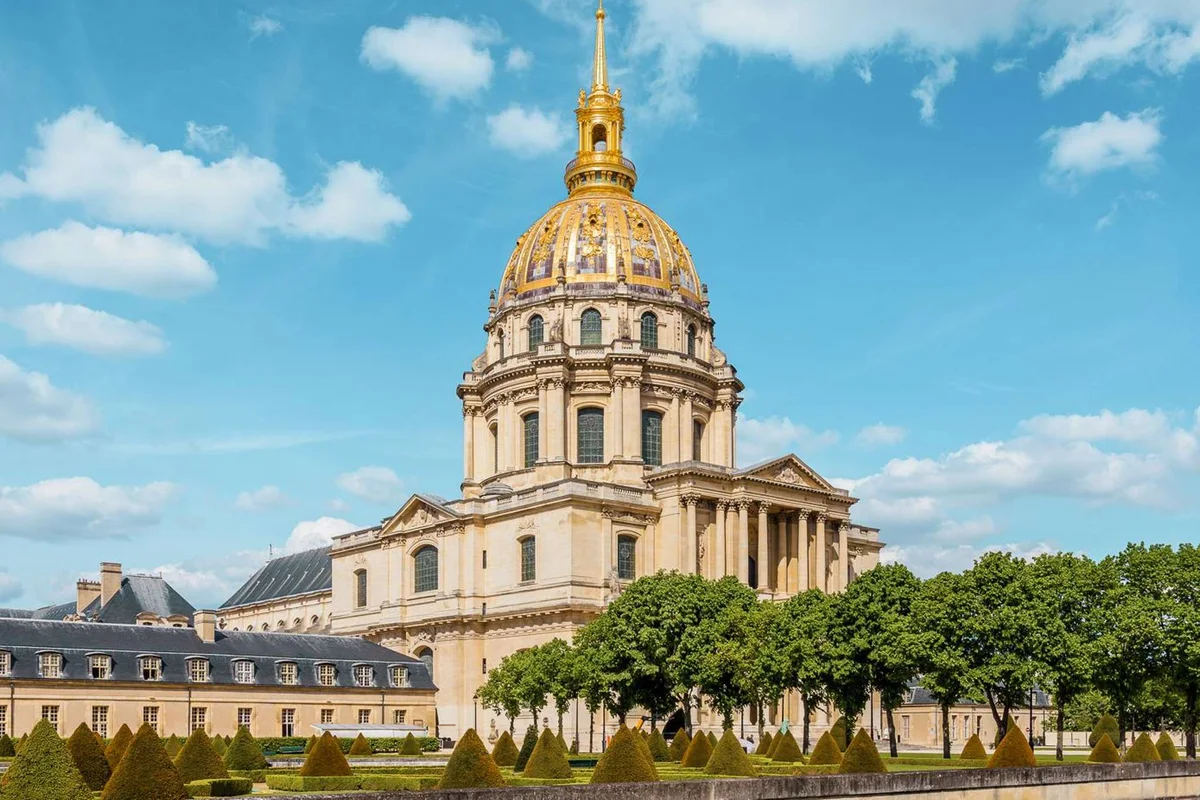
The emperor lies in a great red porphyry sarcophagus directly beneath the golden dome of Les Invalides.
The Army Museum runs from medieval knights' armour to the tanks and uniforms of the World Wars.
Les Invalides has some of Europe's best-told First and Second World War galleries, worth a fresh two hours.
Quai Branly gathers masks, sculpture and textiles from Africa, Asia, Oceania and the Americas under one roof.
Jean Nouvel's Quai Branly building, draped in a vertical garden by the Seine, is a landmark in its own right.
The reborn Musée de la Marine pairs model ships and figureheads with interactive displays facing the Eiffel Tower.
Quai Branly and the Musée de la Marine are both a short walk toward the Eiffel Tower.
Start Les Invalides under the dome at Napoleon's tomb, then give the World War galleries the fresh time they deserve. Quai Branly is atmospheric and dim, so allow your eyes to adjust and follow the ramp up. All three sit within walking distance of the Eiffel Tower.
Standing under the dome looking down at Napoleon's tomb is a genuine goosebumps moment. The WWII galleries are among the best I have seen anywhere.
Quai Branly is unlike any other museum in Paris — dark, hushed, full of extraordinary objects, and ten minutes from the Eiffel Tower.
The renovated Marine museum was a hit with our kids, and the Trocadéro view of the tower afterward sealed it.
The full-day Les Invalides and Army Museum tour, plus admission to the Quai Branly and the Musée de la Marine.
 from $19Our pick
  from $16
  from $17
 Not every museum in Paris is a temple to fine art, and this cheerful group is where families, teenagers and rainy afternoons go. The grand old name is Grévin, casting celebrities in wax since 1882 inside a gilded belle-époque hall of mirrors on the Grands Boulevards, from film stars and footballers to French presidents. It opens daily, roughly 10:00 to 18:00, with the door price around €26 and cheaper tickets online; Grands Boulevards on lines 8 and 9 is right outside.
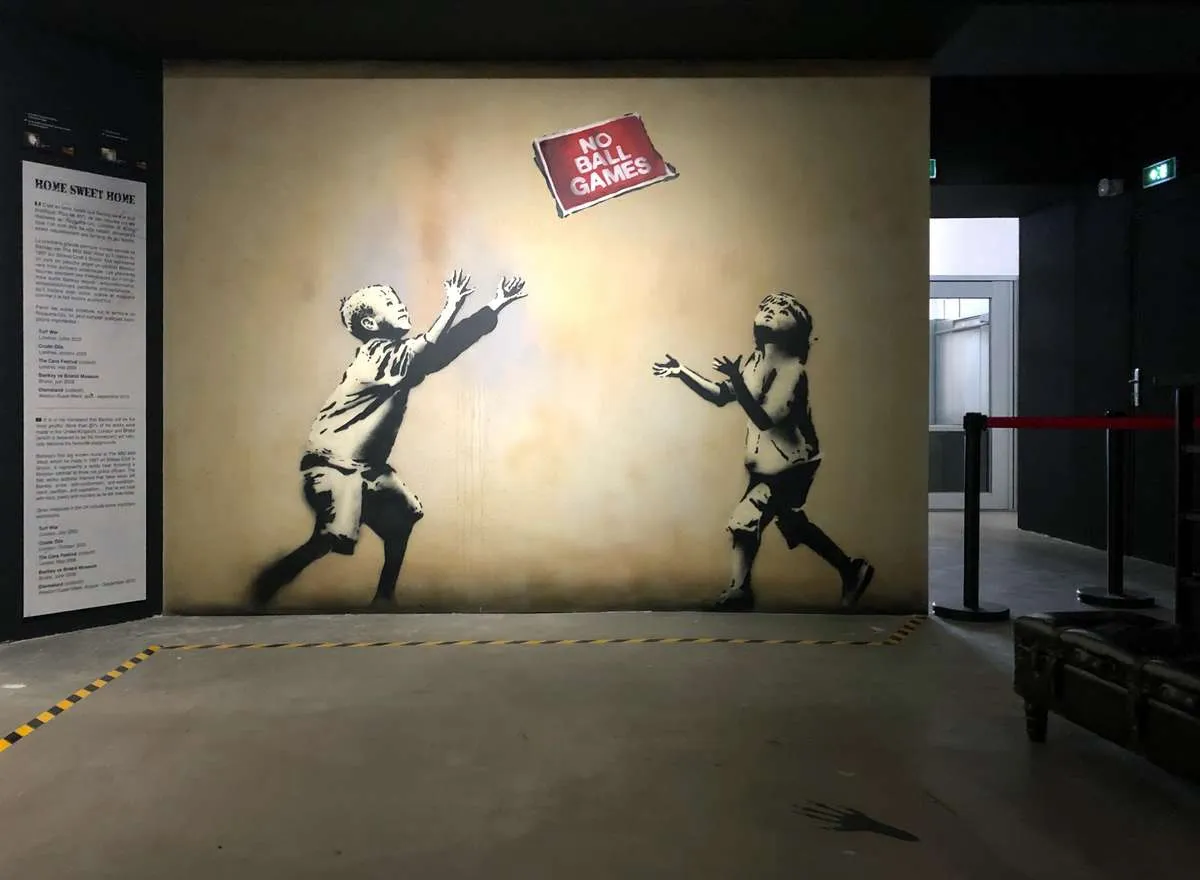
Newer arrivals lean into interaction and photos. The Paradox Museum is a hands-on maze of optical illusions and tilted rooms built to be walked through and photographed, while The World of Banksy gathers reproductions of the street artist's best-known works into one immersive space near the Grands Boulevards. Both are private, so the Paris Museum Pass does not cover them.
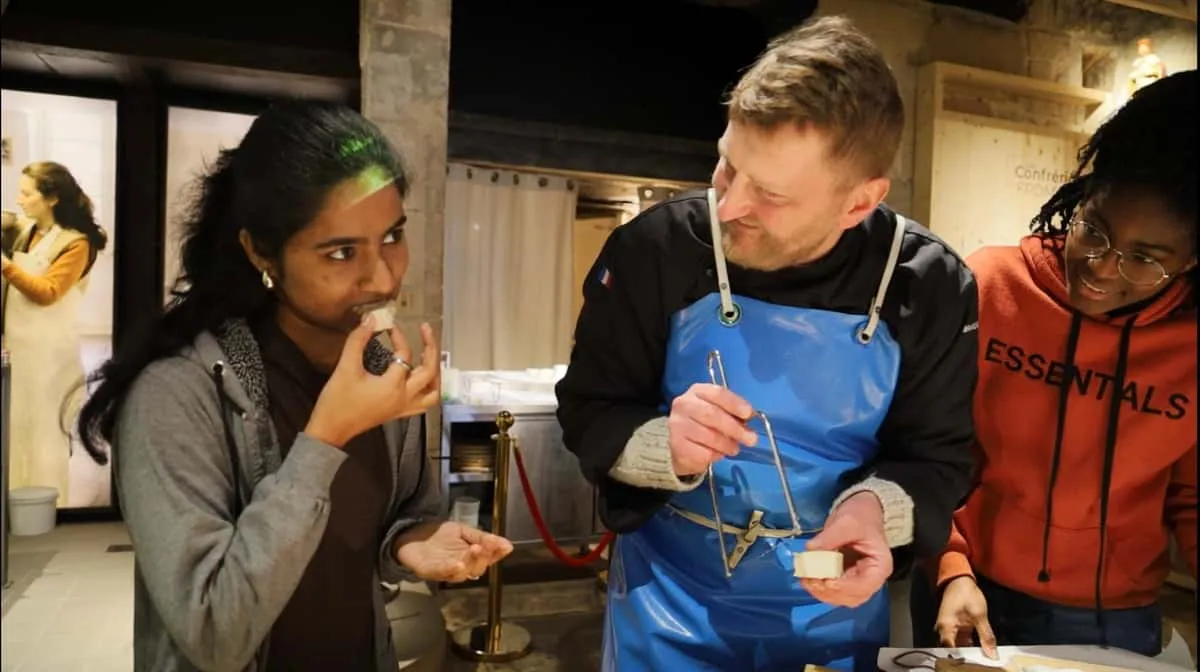
For the greedy and the curious, two tasting museums round things off. Choco-Story, the Chocolate Museum, traces four thousand years of cacao and ends with a live demonstration and a tasting, and the Musée Vivant du Fromage, a working cheese cave in the Marais, walks you through how French cheese is made and aged before a guided tasting. None of these needs more than an hour or two, and all of them stay open on Mondays.
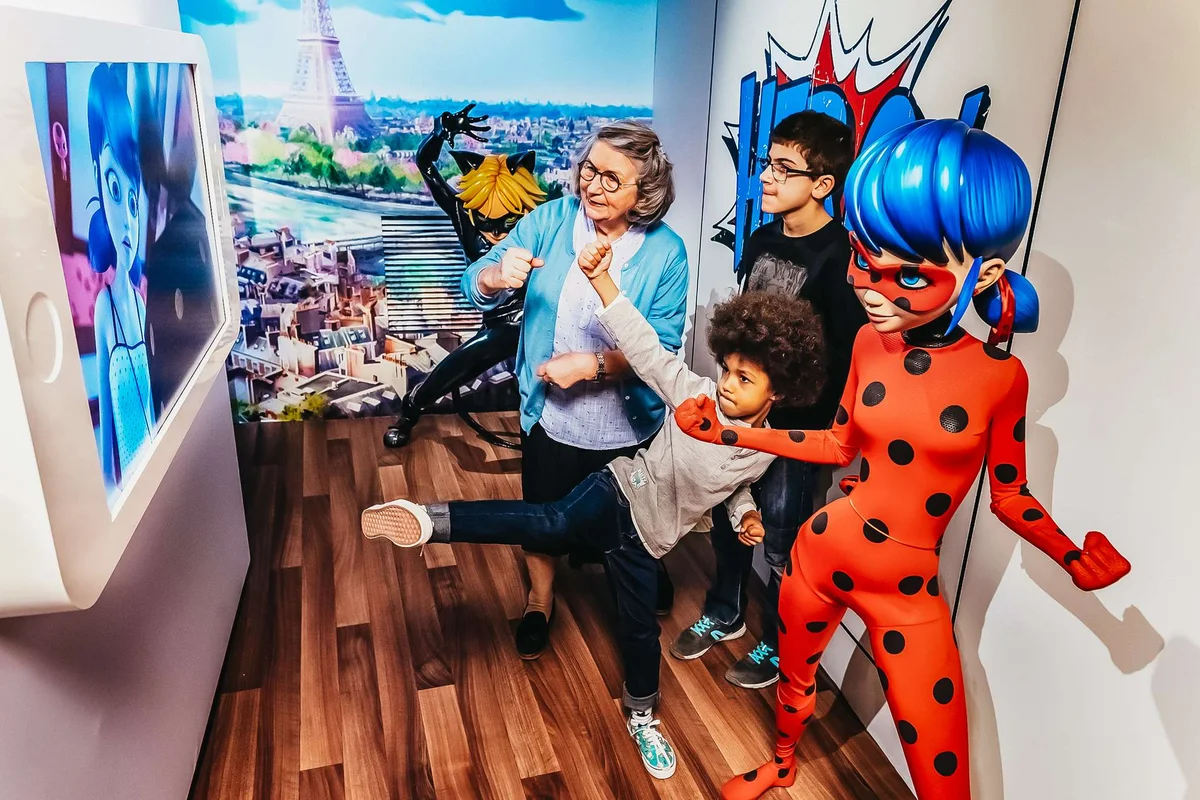
Grévin has cast French and world stars since 1882, from Louis XIV to today's footballers and singers.
Grévin's Hall of Mirrors and marble staircase are as much the attraction as the wax figures.
The Paradox Museum's tilted rooms, infinity mirrors and optical tricks are built to be touched and photographed.
The World of Banksy reproduces the street artist's best-known images in one immersive, self-paced show.
Choco-Story runs from the Aztec drink to the modern bar and finishes with a demonstration and a tasting.
The Musée Vivant du Fromage explains French cheese-making, then sits you down for a guided tasting.
The Paradox Museum, World of Banksy and Choco-Story are all nearby in the Grands Boulevards area.
Buy Grévin tickets online to beat the door price and the queue, and go on a weekday to dodge the school groups. These museums are private, so budget for them separately from any Museum Pass, and use them to fill the Monday and Tuesday gaps when the big museums close.
Grévin saved a rainy afternoon with the kids. The hall of mirrors is genuinely beautiful and they loved posing with the wax stars.
The Paradox Museum was pure fun — an hour of illusions and photos. A nice break from serious galleries.
The cheese museum tasting was a highlight we did not expect. Small, friendly, and you leave having actually learned something.
Grévin wax museum entry with an optional Seine cruise, the Paradox Museum, the World of Banksy, and the chocolate and cheese museums.
 from $32Our pick
  from $51
  from $31
  from $16
  from $21
  from $23
 Once you know which museums you want, the last decision is how to buy them, and whether to take the train out to Versailles while you are here. The Paris Museum Pass is the workhorse: one card, skip-the-ticket-line entry to more than sixty museums and monuments, and consecutive-day validity in 2, 4 or 6-day versions. If you plan to see three or more of the big collections in a couple of days, it usually pays for itself, though the Louvre and Versailles still need a separate timed reservation on top.
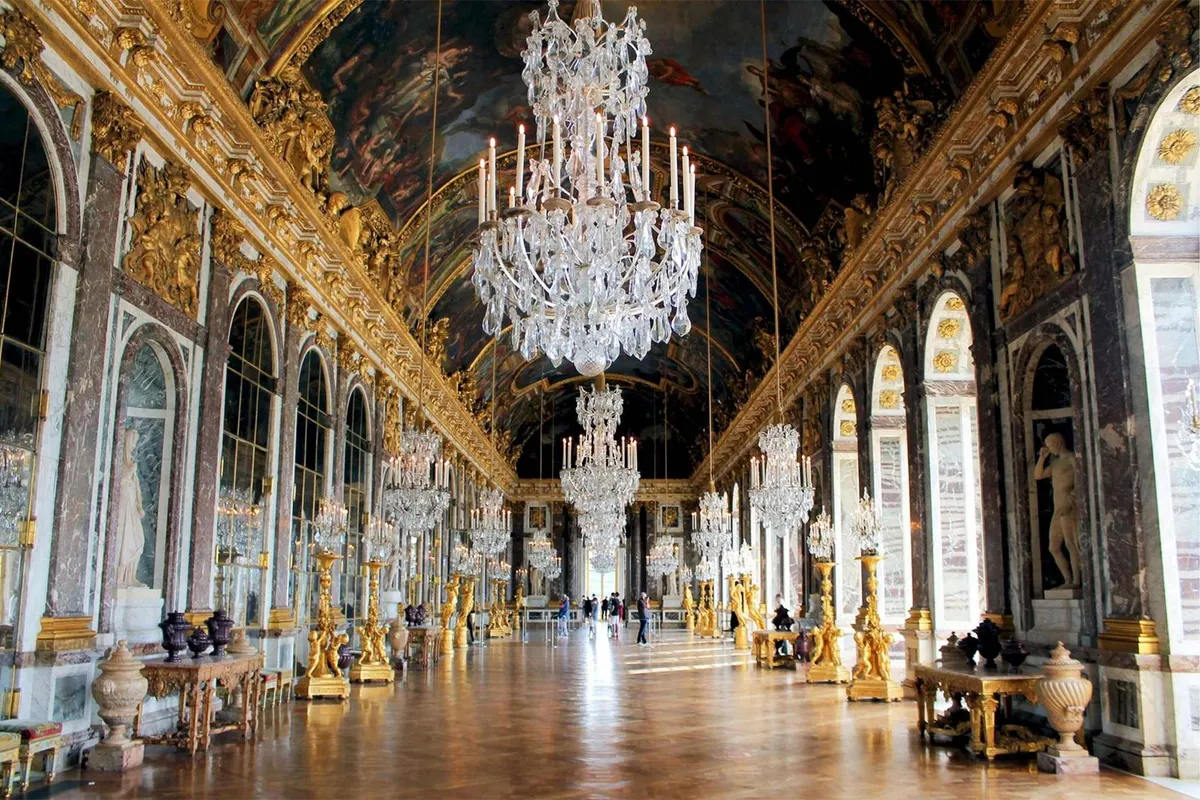
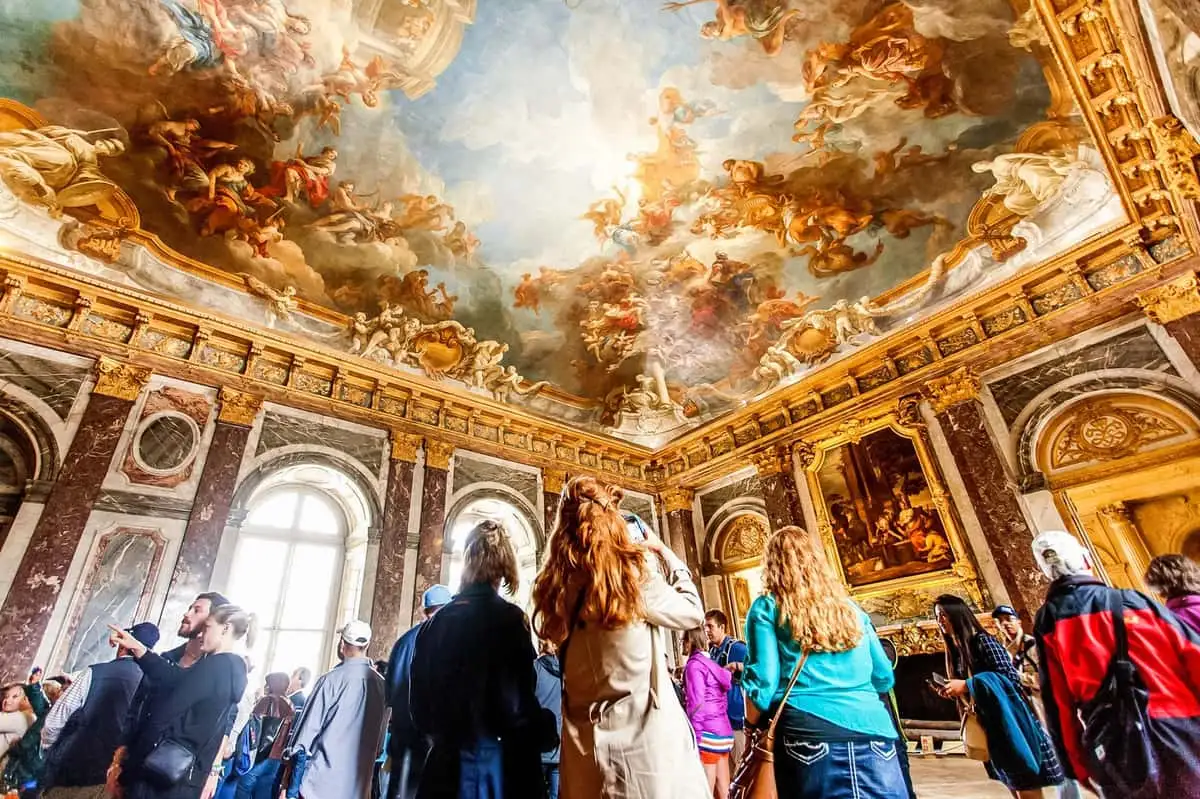
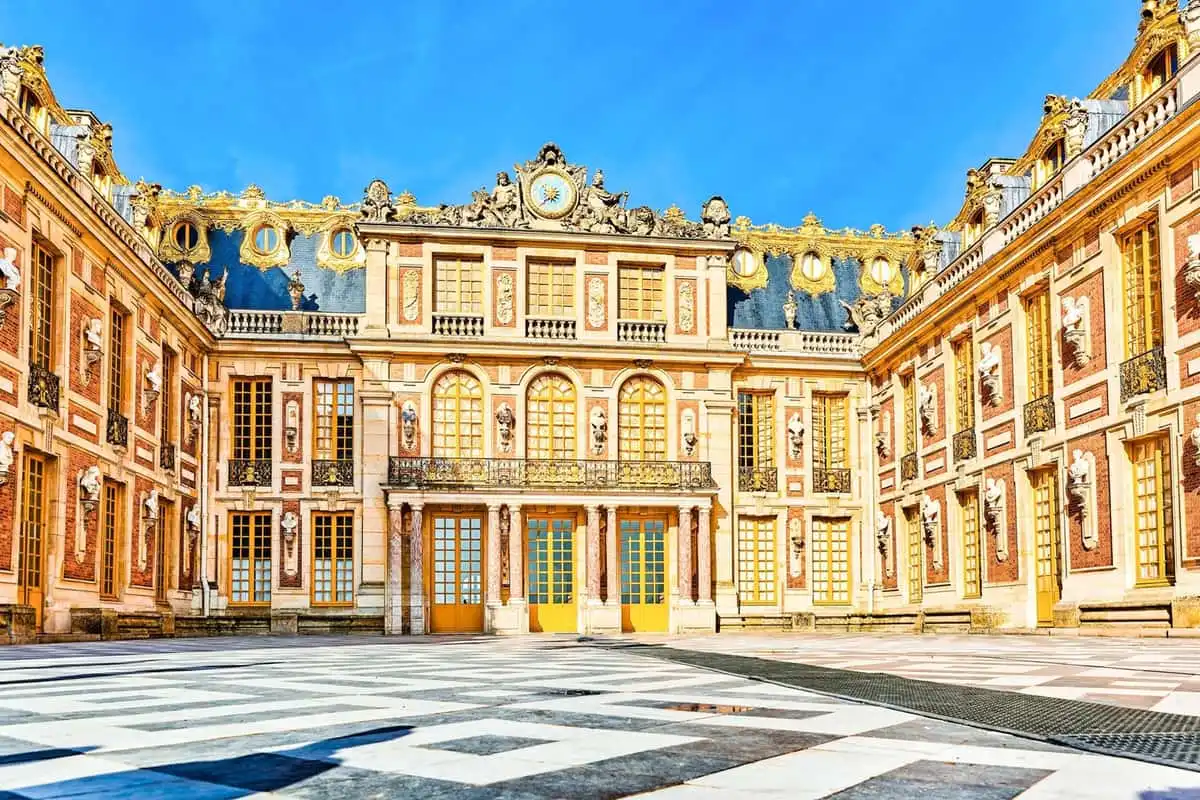
For short trips, a ready-made combo can be simpler than assembling tickets yourself. A one-day package that pairs a guided Louvre visit with a Seine cruise handles the essentials in a single booking, a good option for a first day when you would rather not plan logistics. And for anyone who wants the classic Paris grandeur, the Palace of Versailles is the great day trip: the Hall of Mirrors, the State Apartments and the vast formal gardens of Louis XIV, half an hour from the city on the RER C.
Versailles opens Tuesday to Sunday, 9:00 to 18:30, and closes on Mondays. Go at opening and start inside with the Hall of Mirrors before the coach parties land, then spend the afternoon in the gardens and out at the Trianon estate. Reserve a timed château ticket in advance, whether you use a pass or not.
The Paris Museum Pass covers the Louvre, Orsay, Rodin, Versailles and dozens more with skip-the-ticket-line entry.
See three or four of the big museums in two days and the pass usually costs less than separate tickets.
A guided-Louvre-plus-Seine-cruise combo handles the essentials in one booking, ideal for arrival day.
Versailles' 73-metre gallery of mirrors and chandeliers is one of the most dazzling rooms in Europe.
The formal gardens, fountains and the Trianon estate make Versailles a full day, not just a palace visit.
The RER C runs straight to Versailles Château – Rive Gauche, an easy escape from the city centre.
A Paris Museum Pass covers Versailles, but you still reserve a timed château slot separately.
Add up the door prices of the museums you actually want before buying a pass, and remember it runs on consecutive days from first use, so start it on a busy sightseeing morning. For Versailles, reserve a timed château ticket, ride the first RER C of the day, and do the Hall of Mirrors before the gardens.
The Museum Pass paid for itself by lunch on day one. Walking past the ticket queues at the Louvre and Orsay felt like a cheat code.
Versailles at opening was magic — we had the Hall of Mirrors almost to ourselves for ten minutes before the tour groups arrived.
For our first day we booked the Louvre-and-cruise combo and let someone else handle the logistics. Perfect way to land in Paris.
The Paris Museum Pass, a one-day Louvre and Seine cruise combo, and reserved entry to the Palace of Versailles.
 from $126Our pick
  from $113
  from $51
 Five ways to spend one day in Paris seeing its museums without rushing. Each route groups places that sit within walking distance or one short metro ride of each other.
| Day plan | The route | Why it works |
|---|---|---|
| Right Bank classics | The Louvre at opening → lunch in the Tuileries → Orangerie → Musée d'Orsay across the river | Three of the world's great collections within a fifteen-minute walk along the Seine |
| Left Bank art day | Musée d'Orsay at 9:30 → Musée Rodin and garden → Les Invalides | Impressionism, sculpture and Napoleon, all in the 7th arrondissement |
| Marais day | Musée Picasso → lunch in the Marais → Musée Vivant du Fromage tasting → Jacquemart-André | A slower, neighbourhood day mixing a master, a mansion and a bite to eat |
| Family day | Grévin wax museum → Paradox Museum illusions → Choco-Story chocolate tasting | Hands-on, photo-friendly and open on Mondays — no gallery fatigue for kids |
| Versailles day trip | First RER C to Versailles → Hall of Mirrors → gardens and Trianon in the afternoon | The palace deserves a full day; go early and let the gardens fill the afternoon |
You can see world-class art in Paris without paying, if you time it right. On the first Sunday of every month, the Louvre (October to March), the Musée d'Orsay, the Orangerie, the Rodin and many other national museums open free to everyone, though they are busiest then and still need a reservation. Under-26s who are EU residents get into the national museums free year-round, and the permanent collections of the City of Paris museums — the Petit Palais, the Musée d'Art Moderne, the Carnavalet history museum — are free to all, all year.
The Louvre is the most famous and most visited museum in Paris, and the most visited museum in the world, home to the Mona Lisa, the Venus de Milo and around 35,000 works (see our Louvre skip-the-line tickets guide). The Musée d'Orsay, with the world's greatest Impressionist collection, runs a close second.
If you only have time for a few, prioritise the Louvre for world masterpieces, the Musée d’Orsay for the Impressionists, and the Musée de l’Orangerie for Monet's Water Lilies. Add the Musée Rodin for sculpture and a garden, and the Palace of Versailles if you have a full day for a day trip.
Paris has roughly 130 to 150 museums, depending on how you count, which places it among the top three museum cities in the world alongside London and Mexico City. They range from the vast Louvre to tiny single-artist mansions like the Musée Rodin and the Musée Jacquemart-André.
Most of the big ones. The Musée d'Orsay, Musée de l'Orangerie, Musée Rodin, Musée Picasso, Quai Branly and the Palace of Versailles all close on Mondays. The museums open on Monday in Paris include the Louvre, which instead closes on Tuesdays, so there is always a major museum open. Private museums like Grévin and the Paradox Museum also stay open on Mondays.
Yes. The Louvre is the notable Paris museum that closes on Tuesdays rather than Mondays, so plan the Louvre for another day and use Tuesday for the Orsay, Rodin or Picasso, which all stay open. On the day you do visit the Louvre, reserve a timed slot online, since the museum turns away visitors without one at busy times.
It usually is for fast, ambitious sightseers. The pass gives skip-the-ticket-line entry to more than 60 museums and monuments; if you see three or four of the big collections in a couple of days, it costs less than separate tickets. It is not worth it for a slow trip of one museum a day. See our full Paris Museum Pass breakdown above, and remember the Louvre and Versailles still need a timed reservation.
Yes. The Louvre requires a timed entry reservation, and at busy times it turns away visitors who do not have one, even Paris Museum Pass holders. Book a slot online before you go, aim for the first slot of the day or a Friday evening, and enter through the Carrousel du Louvre to skip the pyramid queue. A guided Louvre tour bundles the reservation with a route through the highlights.
On the first Sunday of the month, the Musée d'Orsay, the Orangerie, the Rodin and the Louvre (October to March) are free for everyone. Under-26 EU residents enter the national museums free year-round, and the permanent collections of the City of Paris museums, such as the Petit Palais and the Carnavalet, are free to all. See our free museums in Paris section for the full list.
Three sit within a short walk of the Eiffel Tower in the 7th arrondissement: the Quai Branly museum of world cultures beside the Seine, Les Invalides with Napoleon's tomb and the Army Museum, and the Musée de la Marine at the Trocadéro. The Musée Rodin is also close by.
Two to three is realistic without rushing. Group them by area: the Right Bank clusters the Louvre, Orangerie and Orsay along the Seine; the 7th links the Orsay, Rodin and Les Invalides; and the Marais pairs the Picasso with the mansion museums. See the one-day itineraries above for five ready-made routes.